
A sweet perfume will not automatically feel too sweet. The best clue is not one note such as vanilla or praline, but the whole composition: how much of the fragrance is built around sweet materials, what balances them, and how the scent changes after the first spray.
A note list cannot give a perfect answer before you try a perfume on skin. It can, however, help you make a far better prediction. Look for the full pattern of fruit, florals, gourmand notes, woods and deeper materials instead of judging a fragrance by one familiar word.
First, decide what “too sweet” means to you
People use “too sweet” to mean different things. One person may dislike a sugary, candy-like smell, while another is happy with sweetness but does not want it to feel thick, creamy or heavy after a few hours.
It helps to identify the part you usually avoid before looking at a note list. This gives you a clearer idea of whether a perfume is likely to suit your taste.
| If you dislike… | Be especially aware of… | A helpful contrast to look for |
|---|---|---|
| Sugary or dessert-like scents | Several edible-style notes, such as praline, caramel, marshmallow or strong vanilla | Tart fruit, citrus, tea or dry woods |
| Thick, creamy sweetness | Vanilla, tonka bean, milk-like notes, amber and soft musks in the base | Fresh fruit, green notes or transparent florals |
| Sweetness that grows heavier later | A rich base built from several warm notes | Patchouli, woods, spice or a brighter opening |
| Sweet florals that feel too rich | Orange blossom, jasmine or other fuller florals beside gourmand notes | Iris, fresh fruit, citrus or a drier base |
None of these note patterns are faults. They simply point towards different types of sweetness. A fragrance can be soft and creamy, bright and fruity, dark and rich, or sweet with a dry edge. The question is whether its character matches what you enjoy wearing.

Do not judge a perfume by vanilla alone
Vanilla is often associated with sweet perfume, but it does not tell the whole story. It can make a fragrance feel creamy and warm, yet it may also sit beside floral, woody, smoky or powdery materials that change its effect. For a closer look at its different sides, see Luxaro’s vanilla note guide.
The same applies to praline and tonka bean. Tonka is often linked with vanilla, praline, almond and sweet spice, but it can also have a softer, hay-like quality. The Perfume Society’s guide to tonka is a useful reminder that even a note strongly associated with sweetness can have more than one side.
A perfume with vanilla, praline and tonka may therefore be rich and gourmand, but its final character still depends on the rest of the formula. Fruit can make the opening feel livelier. Florals can add softness. Woods, patchouli or spices can make the sweetness feel deeper or less straightforward.
Read the note list as a pattern
When you are deciding whether a sweet perfume may be too much for you, start by looking for clusters rather than isolated notes.
A fragrance with one sweet note in the base may simply feel smooth and warm. A fragrance with several sweet, creamy or edible-style notes in the heart and base is more likely to feel fuller. That does not mean it will be overly sugary, but it is a sensible sign to test carefully before buying.
Next, look for what sits around the sweet materials. Pear, blackcurrant, citrus or other fruits can bring brightness. Iris, rose and lighter florals may create a softer transition between fruit and a warm base. Patchouli, woods and earthy materials can add a drier background.
Patchouli is often described as deep and earthy, although its effect depends on the blend around it. The Perfume Society notes its rich, woody and slightly sweet character, which helps explain why it can make a gourmand base feel more textured rather than simply sugary.
Look for contrast, not the absence of sweetness
The safest choice for someone who enjoys sweetness but does not want a fragrance to become tiring is usually not a perfume with no sweet notes at all. It is a perfume that has contrast.
Fruit can stop a warm composition from feeling flat at the start. Florals can make it feel more airy or polished. A dry, earthy or woody note can add shape later on. Even then, there is no fixed formula. The same notes can feel very different when a perfumer changes their balance or places them at different stages of the fragrance.
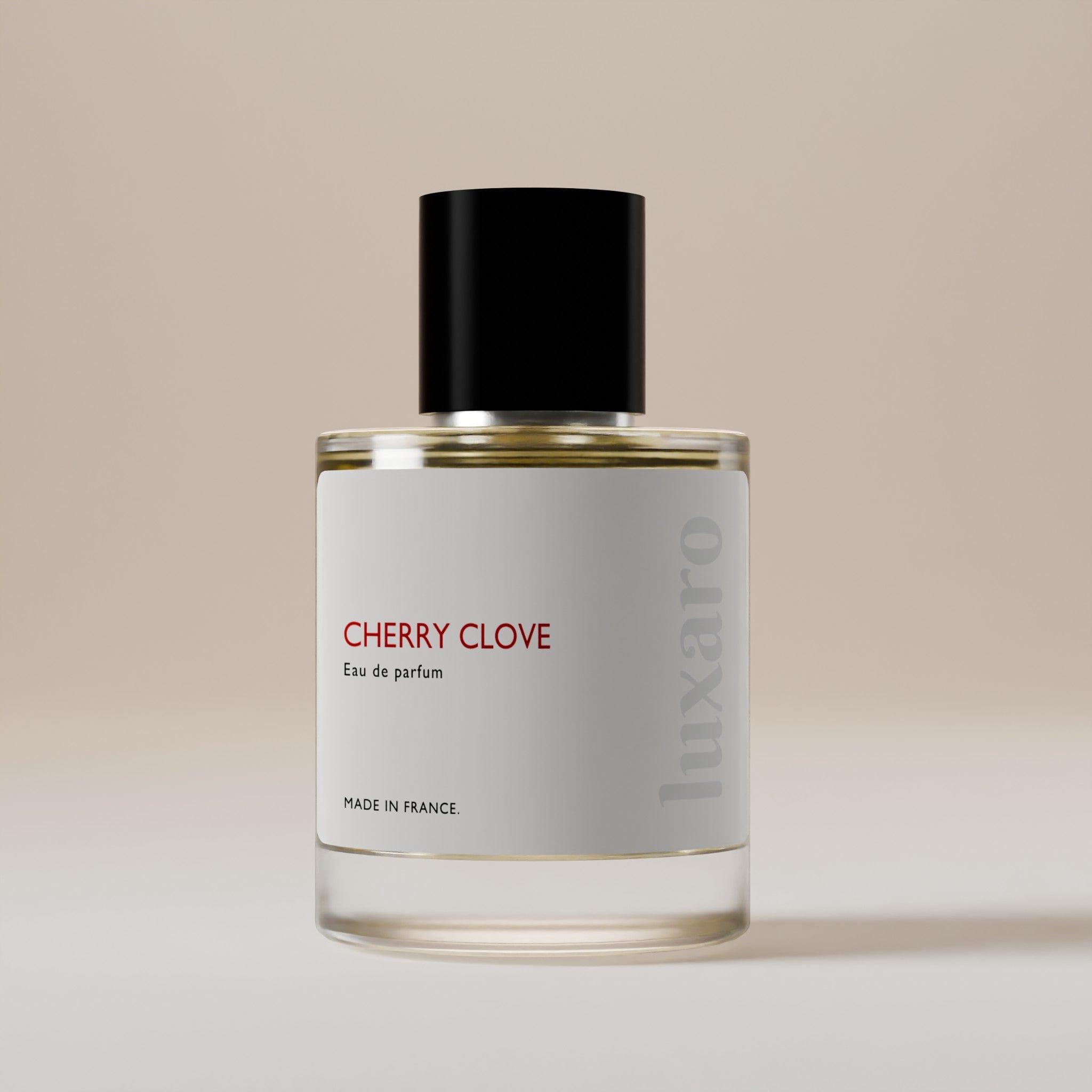
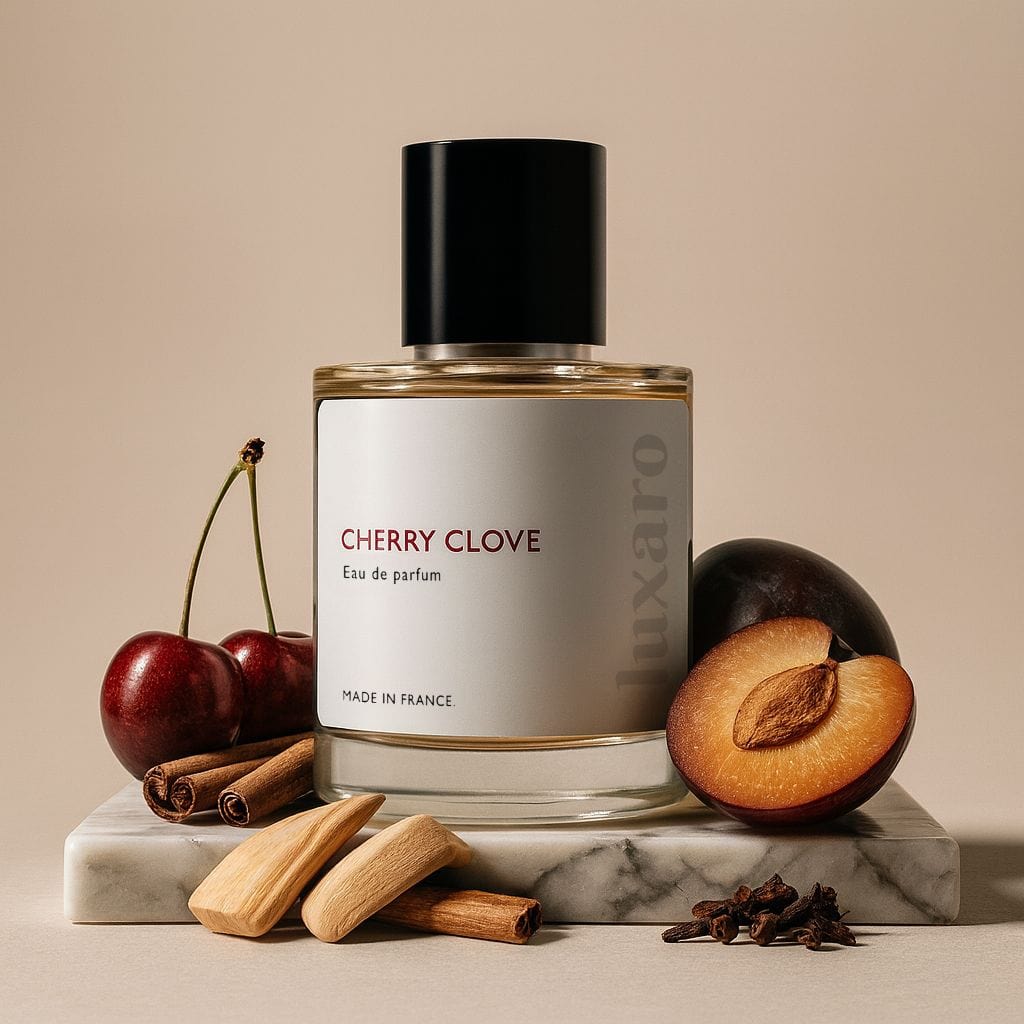
Cherry Clove shows this contrast clearly, combining black cherry and bitter almond with rose, jasmine, warm spices, sandalwood, patchouli and vetiver.
For a broader explanation of edible-style perfume notes beyond vanilla, read Luxaro’s guide to gourmand fragrances. It helps show why gourmand does not always mean one simple type of sweetness.
Pay attention to the dry down
The first few minutes of a perfume may not tell you whether it will feel too sweet later. Fragrances are commonly described through top, heart and base notes. The top is what you notice first, while the heart and base become more important as the perfume settles. The Perfume Society explains that base notes often have a strong influence on the scent that stays with you.
This matters especially with sweet perfumes. A bright pear or berry opening may seem fresh at first, while vanilla, praline, tonka bean, amber or musk become more noticeable later. If those later notes are the part you normally find overwhelming, do not decide after one quick smell in the first minute.
Instead, ask yourself a simpler question: do I enjoy the fragrance once the fresh opening has calmed down? That answer is more useful than whether you liked the first spray.
Test a sweet perfume in two stages
A good test does not need to be complicated, but it should give the fragrance time to show its fuller character.
- Spray it first on a blotter or card and let the first burst settle.
- If you still like it, try it on skin. Skin warmth can make a fragrance feel different from paper.
- Smell it again once the fruity or fresh opening has softened.
- Notice what remains later. If the base feels smooth and comfortable rather than tiring, the sweetness may suit you well.
Testing is particularly useful because note lists describe a fragrance’s direction, not an exact personal experience. What feels cosy and balanced to one person may feel rich to another.
A useful fruity-gourmand example
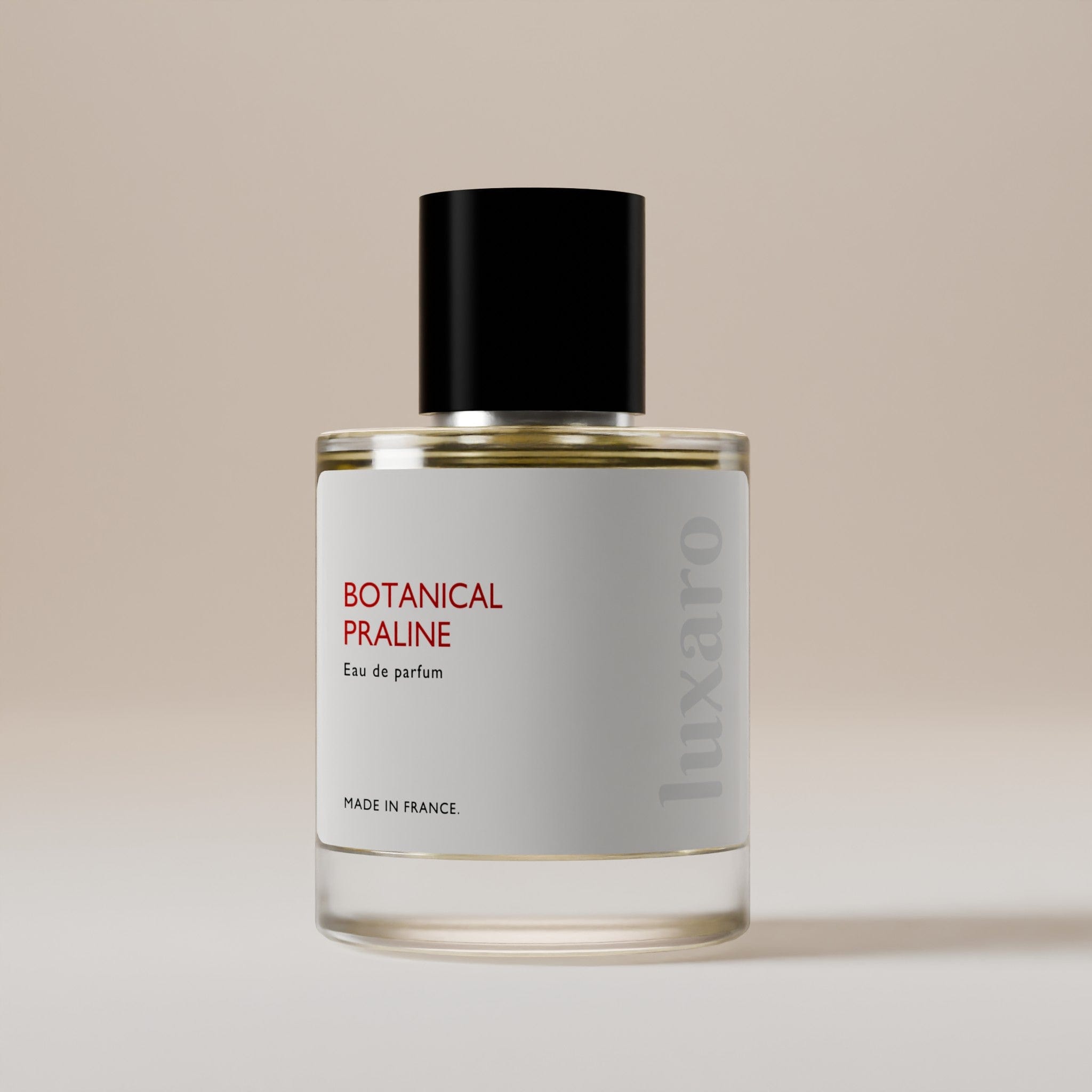
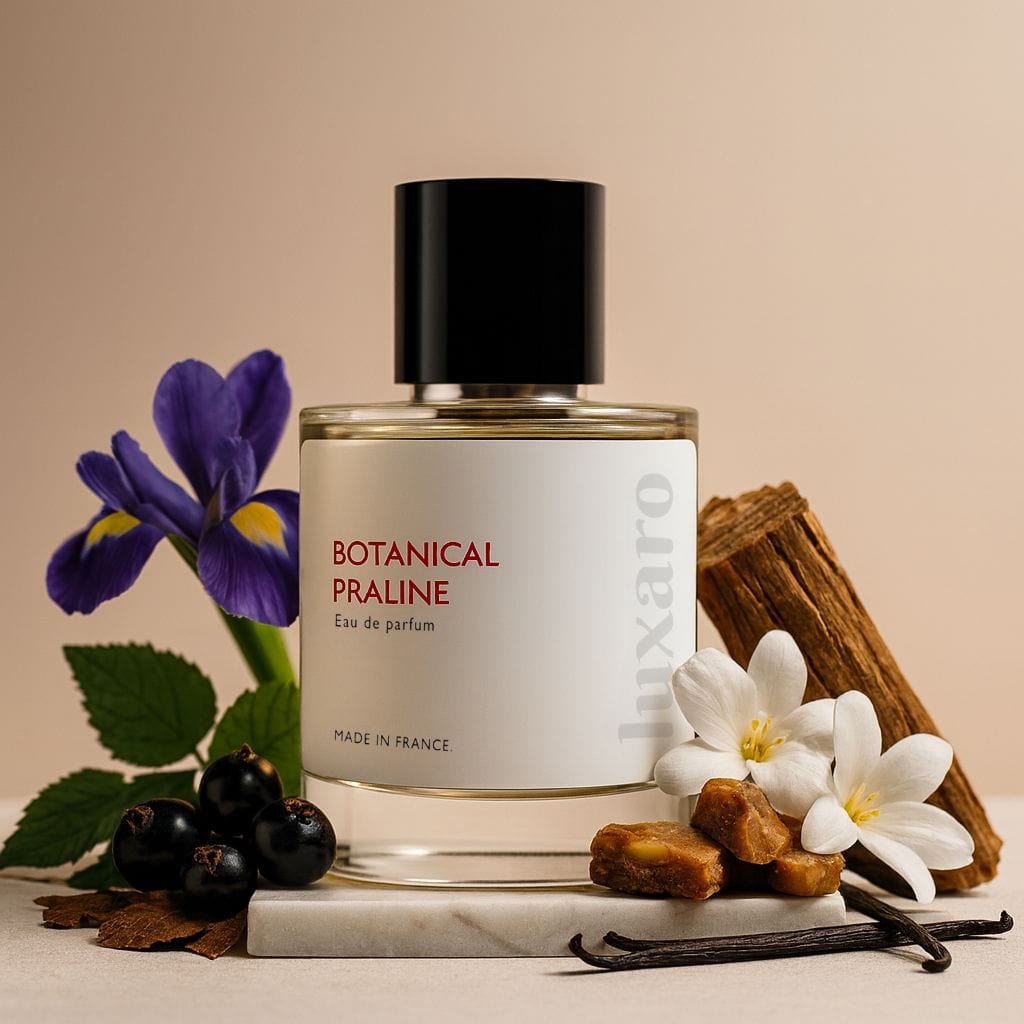
Botanical Praline, a La Vie Est Belle-inspired perfume, is a helpful example of why it is worth reading the whole note structure. Its opening of pear and blackcurrant brings fruitiness first, followed by iris, jasmine and orange blossom. The base then moves into praline, vanilla, patchouli and tonka bean.
That tells you that the fragrance has clear gourmand warmth, so it may not suit someone who wants a completely fresh or unsweet scent. At the same time, the fruit, florals and patchouli suggest contrast around the sweeter base. For someone who enjoys warm sweetness but wants more than a simple sugary effect, that is the kind of balance worth testing.
The key thing to remember
A sweet perfume is not necessarily too sweet because it contains vanilla, praline or tonka bean. Read the whole note list, look for contrast around the sweeter materials, and give the dry down time before making a decision.
If you know you enjoy creamy, warm or fruity sweetness, explore Luxaro’s Sweet & Gourmand collection. If you usually avoid sweetness that feels dense or dessert-like, focus on fragrances where fruit, florals, spice, patchouli or woods have a clear role alongside the gourmand notes.
FAQs
Does vanilla always make a perfume sweet?
No. Vanilla often adds warmth and creaminess, but its final effect depends on the notes around it. It may feel soft and floral, dry and woody, smoky, powdery or clearly gourmand.
Do florals always make a sweet perfume lighter?
Not always. Some florals feel airy, while others can make a fragrance richer and creamier. Look at the whole composition rather than assuming that any floral note will reduce sweetness.
When should I decide whether a sweet perfume suits me?
Wait until the heart and base have developed. The first spray may be bright and fruity, while the warmest and sweetest part of the fragrance appears later.