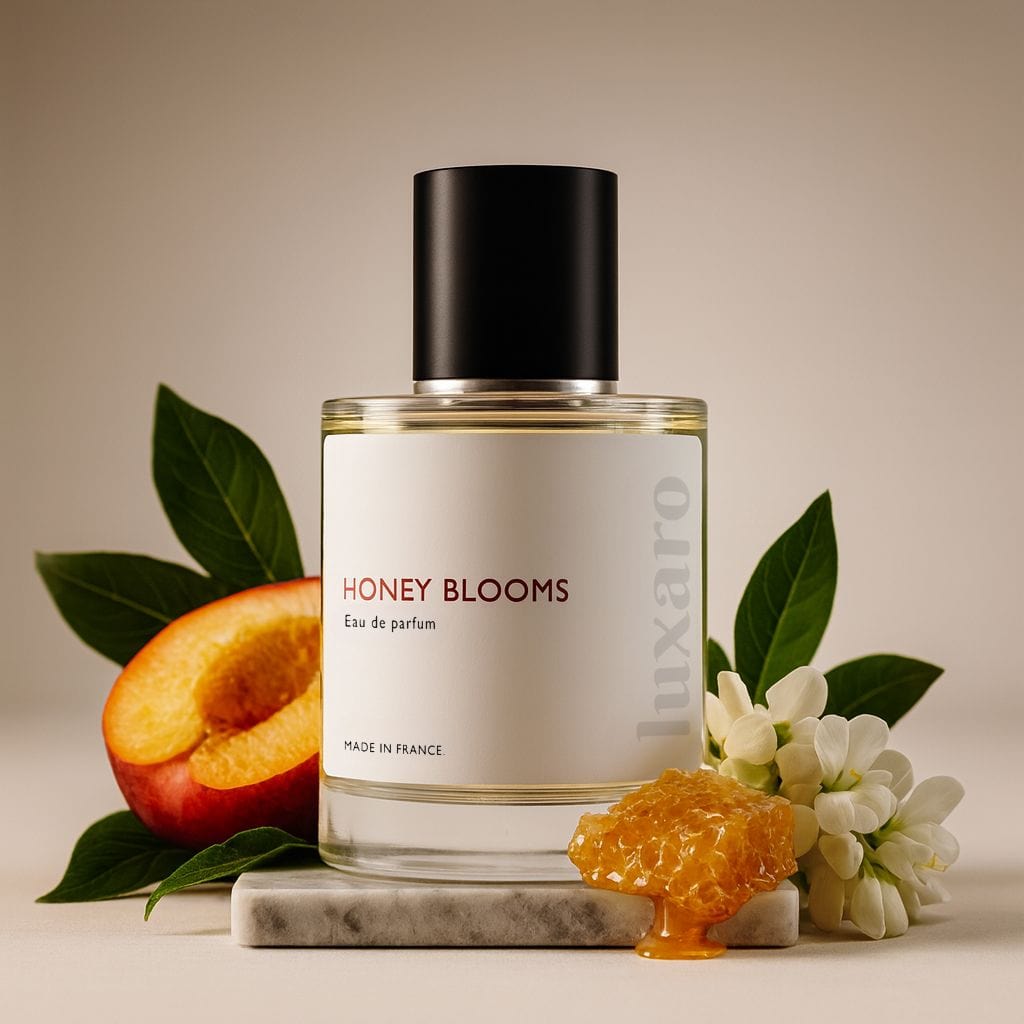

Yes, you can make and sell homemade perfume in the UK, but mixing perfume oil with alcohol and putting it in a bottle does not make it legally compliant. Before the first commercial supply, the finished perfume normally needs a safety assessment, a Product Information File, a Responsible Person, product notification, compliant labelling and manufacturing controls.
The exact route depends on where the product is supplied. Great Britain means England, Scotland and Wales. Northern Ireland follows a related but different system under the Windsor Framework.
As the founder of Luxaro, I see an important practical distinction between creating a fragrance that smells good and placing a finished cosmetic product on the market. The second brings legal responsibility for the formula, documentation, packaging and information given to the customer.
This article provides general information based on rules and official guidance available on 24 October 2026. It is not individual legal or regulatory advice.
Before looking at each requirement in detail, this practical checklist summarises the main steps involved in preparing a homemade perfume for sale in the UK.

Can You Legally Make Perfume at Home in the UK?
Yes, making perfume at home is legal, but supplying it commercially brings the product within UK cosmetics rules. There is no general exemption simply because the perfume is handmade, produced in small batches or sold from home.
Making a fragrance for your own personal use is different from making it available to consumers. Once you sell it, give it away as part of a business activity or use it commercially on another person, the finished product may fall within cosmetic product legislation. Official guidance for Great Britain expressly includes products sold or given away as free samples.
The manufacturing process must also follow cosmetic Good Manufacturing Practice. This means working in a controlled, hygienic and repeatable way, keeping appropriate records and preventing contamination or mixing errors. ISO 22716 is a commonly used cosmetics GMP standard, although official guidance recognises that other suitable methods may be used.
A home business may have additional practical obligations. Depending on the property and scale of the operation, you may need to consider your tenancy or mortgage conditions, local planning rules, business insurance, workplace safety and the storage of flammable perfumer’s alcohol.
My view is that anyone planning to sell perfume should think of the home as a manufacturing premises, not simply a kitchen or spare room where ingredients happen to be mixed.
Can You Mix Perfume Oil with Alcohol and Sell It?
You can use perfume oil and suitable alcohol to make a spray fragrance, but you cannot legally sell the mixture merely because both ingredients came from commercial suppliers.
The finished perfume is the product that reaches the customer. Its complete formula, including the precise percentage of fragrance concentrate, alcohol, water and any other material, must be considered during the safety assessment.

Changing the amount of concentrate can change the customer’s exposure to restricted ingredients and declarable fragrance allergens. The bottle, spray mechanism, expected use, stability and packaging compatibility may also matter.
Supplier documents can help your safety assessor. These may include:
- The full quantitative formula
- Safety Data Sheets
- Allergen information
- An IFRA Certificate of Conformity
- Ingredient specifications
- Stability or compatibility information
None of these documents automatically approves the perfume that you have mixed. A certificate for the fragrance concentrate does not assess the complete retail product.
Our guide to the main ingredients used in perfume explains the difference between fragrance concentrate, the alcohol carrier and supporting materials.
From my experience building a fragrance brand, this is one of the most important distinctions for a new seller to understand: possessing suitable ingredients is not the same as having a legally ready finished product.
What UK Laws and Regulations Apply to Homemade Perfumes?
Homemade perfume sold in Great Britain is mainly governed by the UK cosmetics regulatory framework, while perfume supplied in Northern Ireland remains subject to EU cosmetics rules as they apply under the Windsor Framework.
For the clearest starting point, use the official GOV.UK guidance for making cosmetic products available in Great Britain, which explains the safety, Responsible Person, documentation, labelling and notification duties.
In Great Britain, the central requirements arise from Regulation (EC) No 1223/2009 on cosmetic products as it forms part of domestic law and has been amended for the GB market. The Cosmetic Products Enforcement Regulations 2013 provide enforcement powers.
For a perfume supplied in Great Britain, the usual requirements include:
- A UK-established Responsible Person
- A safety assessment and Cosmetic Product Safety Report
- A Product Information File
- Manufacture following Good Manufacturing Practice
- Notification through the UK Submit Cosmetic Product Notifications service
- Compliant labelling
- Evidence supporting product claims
- Procedures for undesirable and serious undesirable effects
Northern Ireland uses the EU Cosmetics Regulation under the Windsor Framework. A perfume supplied there normally requires a Responsible Person established in Northern Ireland or the European Economic Area, an EU-recognised safety assessor and notification through the EU Cosmetic Products Notification Portal. A perfume manufactured in Great Britain and supplied in Northern Ireland is treated as an imported product and must identify its country of origin. Current government guidance says such a product should be labelled “Made in UK”.
A business supplying the same perfume in both markets may therefore need to satisfy both notification and Responsible Person arrangements. Special provisions can apply to qualifying Northern Ireland goods, so businesses using that route should check the current guidance carefully.
Cosmetics legislation is not the only consideration. Depending on the business, consumer-protection law, trade mark law, packaging rules, product-liability obligations and the transport and storage requirements for flammable liquids may also apply.
What Is a Cosmetic Product Safety Report (CPSR) and Why Do You Need One?
A Cosmetic Product Safety Report is the formal assessment used to demonstrate that a cosmetic product is safe for its intended and reasonably foreseeable use. It must be completed before the perfume is made available to consumers.
The CPSR examines the finished formulation rather than judging the perfume oil in isolation. Its two main parts are:
- Part A, which gathers the safety information, including the quantitative formula, physical and chemical characteristics, stability, microbiological quality, impurities, packaging, exposure and toxicological information
- Part B, in which the qualified safety assessor reaches and explains the safety conclusion, including any restrictions or required warnings
The safety assessor must have an appropriate qualification, normally in pharmacy, toxicology, medicine or a similar discipline recognised by the applicable rules. A perfume maker cannot sign their own assessment merely because they blended the product or have experience using fragrance materials.
Official guidance requires the assessment to be completed before the product is supplied.
The report must correspond to what is actually manufactured. If you alter the concentration, substitute an ingredient, change a relevant raw material or make another material change, the existing assessment may need to be updated or replaced. The safety assessor should decide whether several closely related variants can be covered together.
A CPSR is therefore not a generic certificate purchased once for every perfume a business may create. It is tied to the product information and formulation assessed.
What Is a Product Information File (PIF) for Perfume?
A Product Information File is the main compliance record kept for each cosmetic product. It brings together the evidence showing what the perfume is, how it is made, why it is safe and how its claims are supported.
A perfume PIF normally contains:
- A clear description identifying the product
- The Cosmetic Product Safety Report
- The manufacturing method and evidence of Good Manufacturing Practice
- Evidence supporting the effects or claims made for the perfume
- The required information concerning animal testing
For Great Britain, the PIF must be kept in English and made readily accessible at the Responsible Person’s address. Official guidance requires it to be retained for ten years after the final batch is made available.
The file should be maintained as a living record. Relevant changes to the formula, supplier documentation, packaging, test information or safety data may require updates.
The PIF is not normally supplied to customers or published online. It must be available to the competent authorities when lawfully requested.
What Is IFRA Compliance and Is It Enough to Sell Perfume Legally?
IFRA compliance shows that a fragrance mixture has been considered against the applicable IFRA Standards for a specified use, but it is not enough on its own to make a finished perfume legal for sale.
An IFRA Certificate of Conformity is usually prepared by the company supplying or creating the fragrance mixture. It should identify the intended product category and confirm conformity with the relevant IFRA restrictions for that use.
As IFRA’s Certificate of Conformity guidance explains, IFRA does not itself create those certificates, the standards are voluntary and a certificate does not replace a cosmetic safety assessment.
This matters because the certificate covers the fragrance mixture under specified conditions. It does not automatically assess:
- The complete finished formulation
- The actual amount of concentrate used
- The alcohol or other carrier
- The finished product’s stability
- Packaging compatibility
- The final label
- The Responsible Person
- Product notification
An IFRA document is valuable technical evidence for the safety assessor, but it is one part of the compliance process.
Do You Need to Register or Notify Your Perfume Before Selling It in the UK?
Yes. A new cosmetic perfume must normally be notified through the appropriate portal before its first supply to consumers.
For Great Britain, the Responsible Person submits the notification through the Submit Cosmetic Product Notifications service, usually shortened to SCPN. The submission includes information such as the product category, product name, Responsible Person, PIF location, ingredient information and images of the label and packaging.
For Northern Ireland, the notification is made through the EU Cosmetic Products Notification Portal, known as CPNP, by a Responsible Person established in Northern Ireland or the EEA. A product supplied in both GB and NI may require notifications under both systems, subject to any applicable qualifying Northern Ireland goods provisions.
Notification is not the same as approval. Neither portal issues a general quality endorsement or replaces the Responsible Person’s duty to ensure compliance.
The GB notification database is not a public register that customers can search. Access is restricted mainly to competent authorities and the National Poisons Information Service.
Who Is the Responsible Person for a Homemade Perfume?
The Responsible Person is the individual or business legally accountable for ensuring that the perfume meets the applicable cosmetics requirements.
For a homemade perfume produced and sold in Great Britain, the maker may become the Responsible Person if they are established in the UK and place the product on the market under their own responsibility. A manufacturer or importer may appoint another suitable person or business through a written mandate.
The GB Responsible Person must have an established UK address. A PO box or mail-forwarding address alone does not meet the government’s stated requirement.
The Responsible Person must ensure that matters such as the following are properly handled:
- Product safety
- Ingredient restrictions
- CPSR and PIF
- Good Manufacturing Practice
- Product notification
- Labelling
- Evidence for claims
- Serious undesirable effect reporting
- Corrective action, withdrawal or recall when necessary
For Northern Ireland, the Responsible Person must be established in Northern Ireland or the EEA. A Great Britain business cannot simply use its GB address as the NI Responsible Person.
Private-label arrangements require particular care. Putting your own name or trade mark on another manufacturer’s perfume may make you the Responsible Person in some circumstances. The contract should state clearly who holds that role, where the PIF is kept, who completes the notification and who manages safety reports and corrective action.
What Information Must Appear on Perfume Bottles and Packaging?
A perfume label must give consumers and authorities the required information clearly, legibly and indelibly. A brand name and attractive box are not sufficient.
Depending on the product and market, the mandatory information normally includes:
- The name and address of the Responsible Person
- The country of origin where the perfume is imported
- The nominal quantity, such as 50 ml
- A date of minimum durability or Period After Opening symbol where applicable
- Required warnings and precautions
- The batch number or another manufacturing reference
- The product’s function if it is not obvious
- The ingredient list using the required ingredient names

Fragrance allergens that exceed the applicable labelling threshold may need to appear individually in addition to the general term used for perfume or fragrance.
Some information may appear on the outer packaging rather than the immediate container where the regulations permit it. Small products can have limited exceptions concerning where certain information is displayed, but a small bottle is not exempt from the wider compliance regime.
A GB-made perfume entering the Northern Ireland market is treated as an imported cosmetic under the rules applying there, and current government guidance requires “Made in UK” labelling.
The label must match the assessed and notified product. Copying a label template from another perfume can produce serious errors because the ingredients, allergens, warnings, Responsible Person and batch information may differ.
What Happens If You Sell Perfume Without Meeting UK Legal Requirements?
Selling a non-compliant perfume can lead to corrective action, withdrawal, recall, seizure, forfeiture and prosecution, depending on the breach and risk involved.
Trading Standards and other enforcement authorities can inspect products and records, require information and take action where they suspect non-compliance. The enforcement regulations provide powers to inspect, seize and detain cosmetics, documents and other relevant evidence.
The Responsible Person may be required to:
- Correct the product or its label
- Stop further supply
- Withdraw stock from retailers or marketplaces
- Recall products already supplied to customers
- Notify authorities where the product presents a health risk
- Provide records, formulas and safety documentation
There can also be consequences outside regulatory action. An online marketplace may remove the listing or suspend the seller. An insurer may question whether the business met its obligations. A customer who suffers harm may pursue a civil claim. Retailers may refuse further stock.
For a small business, the reputational damage can be as serious as the immediate financial loss. Compliance is best treated as part of product development, not paperwork to assemble after sales have begun.
How Can Consumers Identify a Legally Compliant Perfume?
Consumers cannot confirm every legal requirement merely by looking at a bottle, but they can check whether the seller provides the basic information expected from a properly presented cosmetic product.
Useful signs include:
- A genuine physical Responsible Person address
- A clear ingredient list
- A batch number or traceability reference
- The bottle’s nominal volume
- Durability or Period After Opening information where required
- Relevant precautions or warnings
- Country-of-origin information where required
- Clear and independent branding
- A seller who can answer reasonable questions about the manufacturer or Responsible Person
For a wider assessment of formulation, presentation and honest product information, read how to identify a well-made designer-inspired perfume.
That transparency is useful, although a public product page cannot prove by itself that every behind-the-scenes duty has been completed. Consumers cannot search the GB notification portal, and businesses are not generally expected to publish their complete PIF or confidential formula.
The absence of a public certificate is therefore not automatic proof of non-compliance. Equally, phrases such as “IFRA approved”, “made with cosmetic-grade ingredients” or “fully insured” do not replace the legal requirements discussed in this article.
Do UK Perfume Regulations Apply to Small Businesses, TikTok Sellers, Free Samples and Private-Label Brands?
Yes. The cosmetics requirements apply according to the product and how it is supplied, not according to the seller’s follower count, turnover or chosen sales platform.
A perfume does not become exempt because it is:
- Made in small batches
- Sold only through TikTok, Instagram, Etsy or a local market
- Described as handmade
- Offered only to friends or followers
- Supplied as a promotional gift or free sample
- Manufactured by another company under a private label
Official guidance defines making a cosmetic available broadly enough to include free supply in the course of commercial activity.
A free sample can expose someone to the same formula as a paid bottle. It therefore still needs to be safe and properly covered by the business’s compliance arrangements. Limited labelling concessions may apply to certain free samples, but they do not remove the core safety duties.
TikTok, Instagram and marketplace accounts are sales channels. They do not become the Responsible Person merely by hosting a listing, and accepting a listing does not confirm that the perfume is legally compliant.
With private-label perfume, do not assume the manufacturer has completed everything in your name. Before selling, establish:
- The identity of the Responsible Person
- Whether the CPSR covers the exact finished product
- Where the PIF is held
- Which market the assessment and notification cover
- Who submits or updates the notification
- Whose address appears on the label
- Who handles complaints and serious undesirable effects
- What happens if the formula, packaging or supplier changes
If the finished product carries your brand, your legal position can differ from that of an ordinary retailer selling an unchanged third-party product.
Is It Legal to Make and Sell Designer Perfume Dupes in the UK?
It can be legal to create and sell a fragrance with a similar scent character, but compliance with cosmetics law does not give permission to use another brand’s trade marks, packaging or intellectual property.
Four separate questions need to be considered.
First, independently developing a similar-smelling fragrance is not automatically the same as counterfeiting. A fragrance can be sold under its own branding, provided the seller also meets all applicable cosmetics, advertising and consumer-protection requirements.
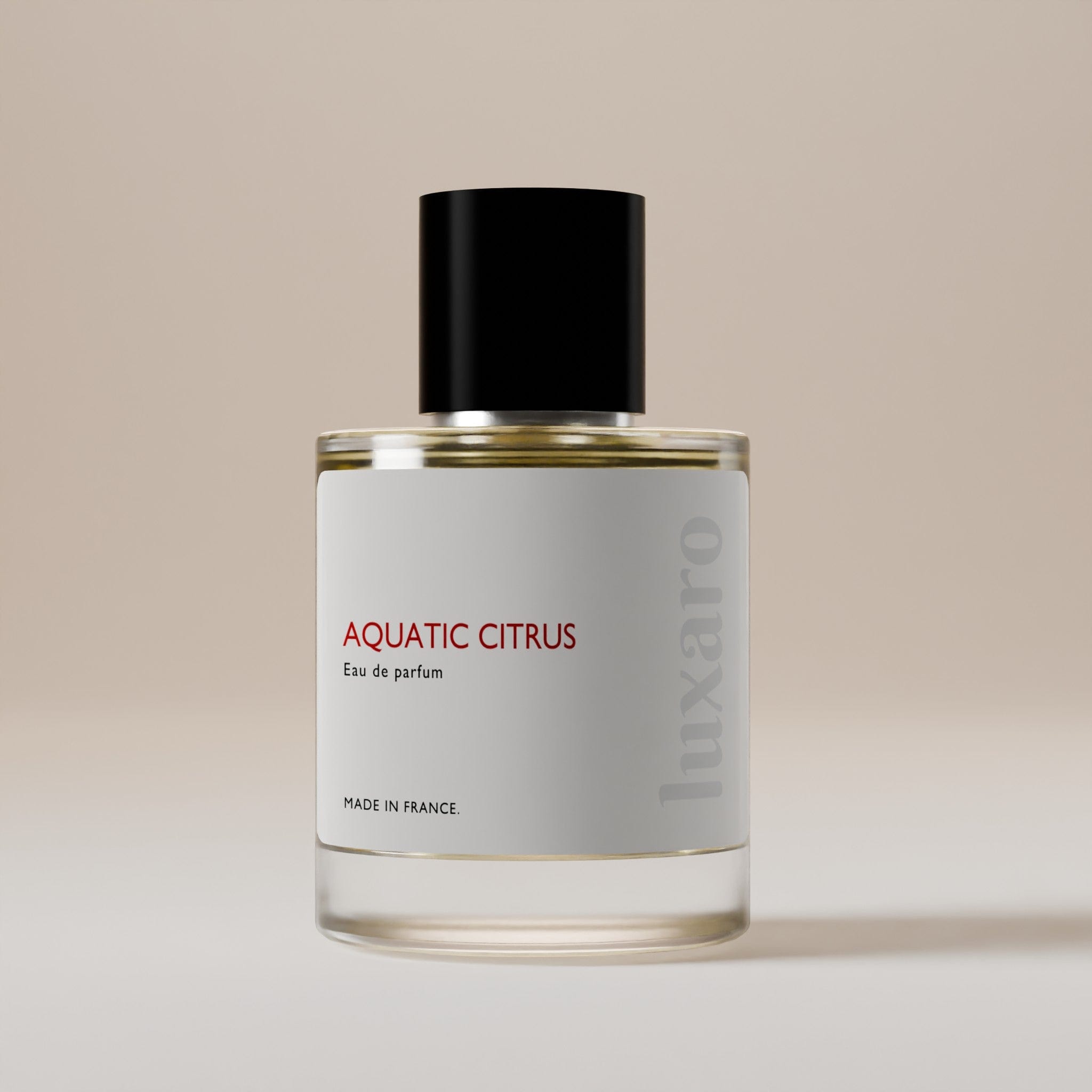
Luxaro follows this distinction with products such as Iriswood Petals inspired by Miss Dior and Zesty Cedarwood inspired by Eau des Merveilles, both of which are presented under their own Luxaro names, bottles and packaging rather than as original designer products.
Second, buying a ready-made “dupe oil” does not make the finished perfume compliant. The seller still needs to assess the actual finished mixture, including the concentration of that oil in alcohol or another carrier. Supplier paperwork must correspond to the exact material and intended use.
Third, cosmetics compliance and intellectual-property compliance are separate. A CPSR may demonstrate product safety, but it does not authorise the use of another company’s name, logo, bottle design, box or advertising material.
Fourth, the way the product is described and marketed can create trade mark and comparative-advertising risk. There is no safe universal rule that adding “inspired by” makes any use of a competitor’s trade mark lawful.
L’Oréal v Bellure remains a central perfume comparison case. The Court of Appeal recorded that the smell-alike perfumes themselves could be lawful, but the defendants’ comparison lists used famous perfume trade marks to advertise the corresponding products. Following the Court of Justice’s ruling, the Court of Appeal held that the use fell outside the protection available to lawful comparative advertising. The lists presented the products as imitations and took unfair advantage of the reputation of the marks.
Current UK comparative-advertising rules require several conditions to be met. Among other things, the comparison must not mislead, create confusion, denigrate a competitor, take unfair advantage of a protected mark or present a product as an imitation or replica of a product bearing a protected trade mark.
In practical terms:
- Use your own brand name and presentation.
- Do not reproduce another company’s logo or packaging.
- Do not assume a perfume-oil supplier has granted rights to use the reference names in its catalogue.
- Do not describe a product as an imitation or replica of a protected perfume.
- Assess product names, comparison pages, paid advertising and keyword use separately.
- Obtain specialist UK intellectual-property advice before building marketing around another brand’s trade mark.
Our guide to the difference between designer-inspired and counterfeit perfume explains the consumer-facing distinction in more detail.
The simplest conclusion is that a legally assessed perfume formula can still be marketed unlawfully, while a lawfully branded smell-alike can still breach cosmetics rules if the finished product lacks its CPSR, PIF, notification or compliant label. Both sides must be addressed.