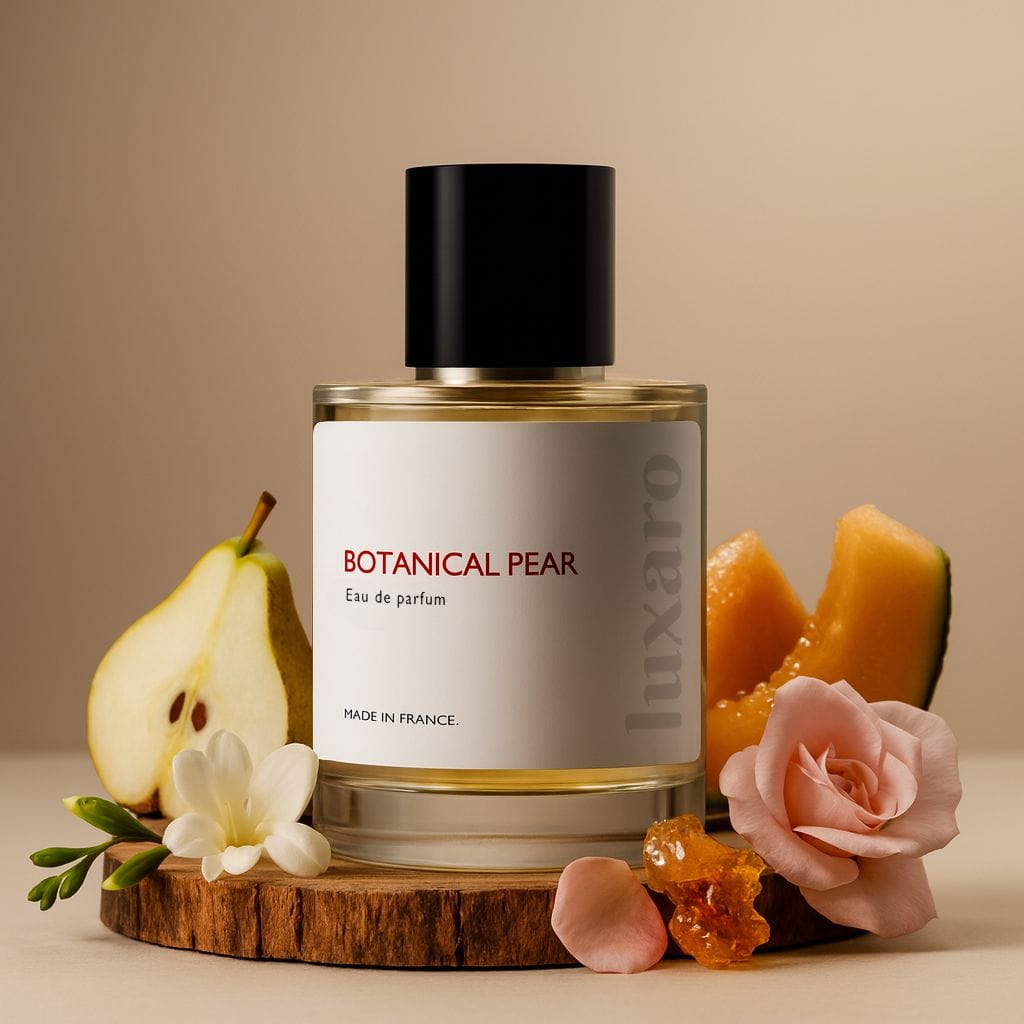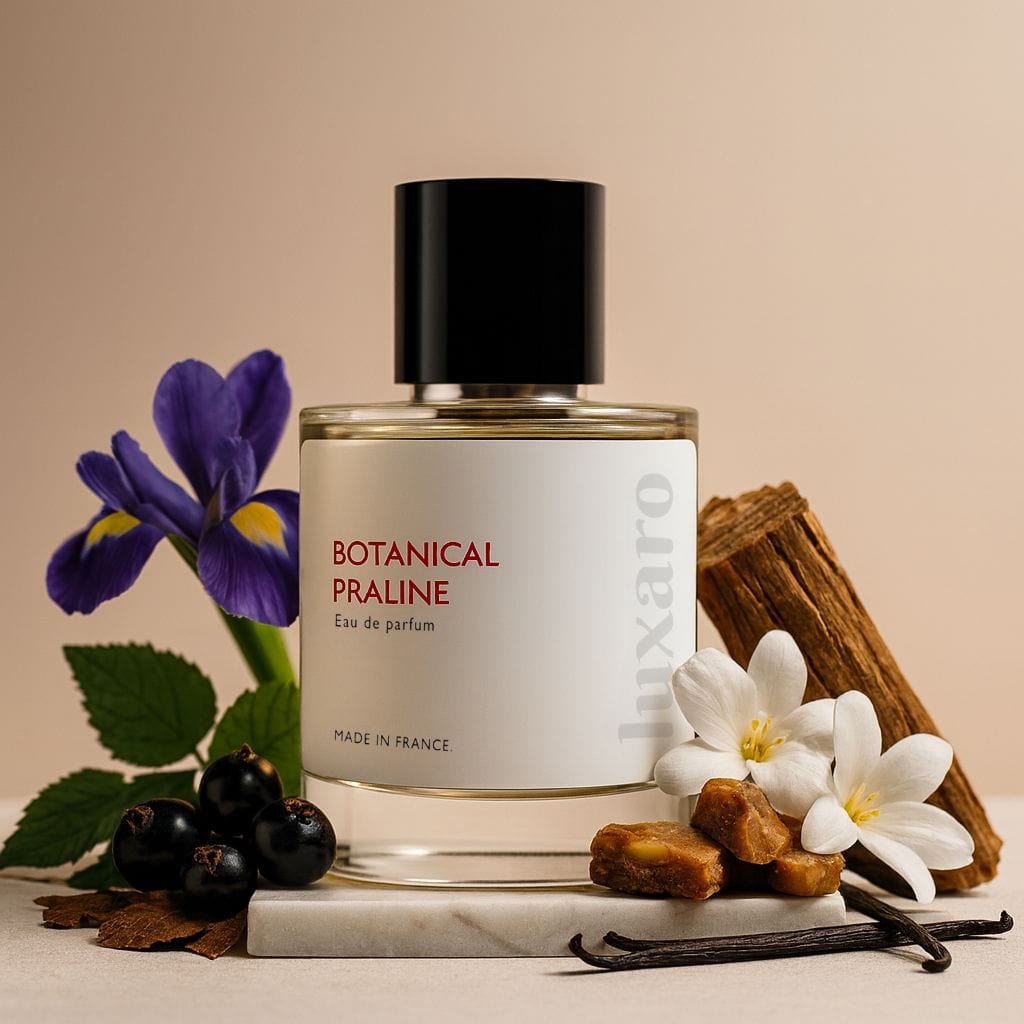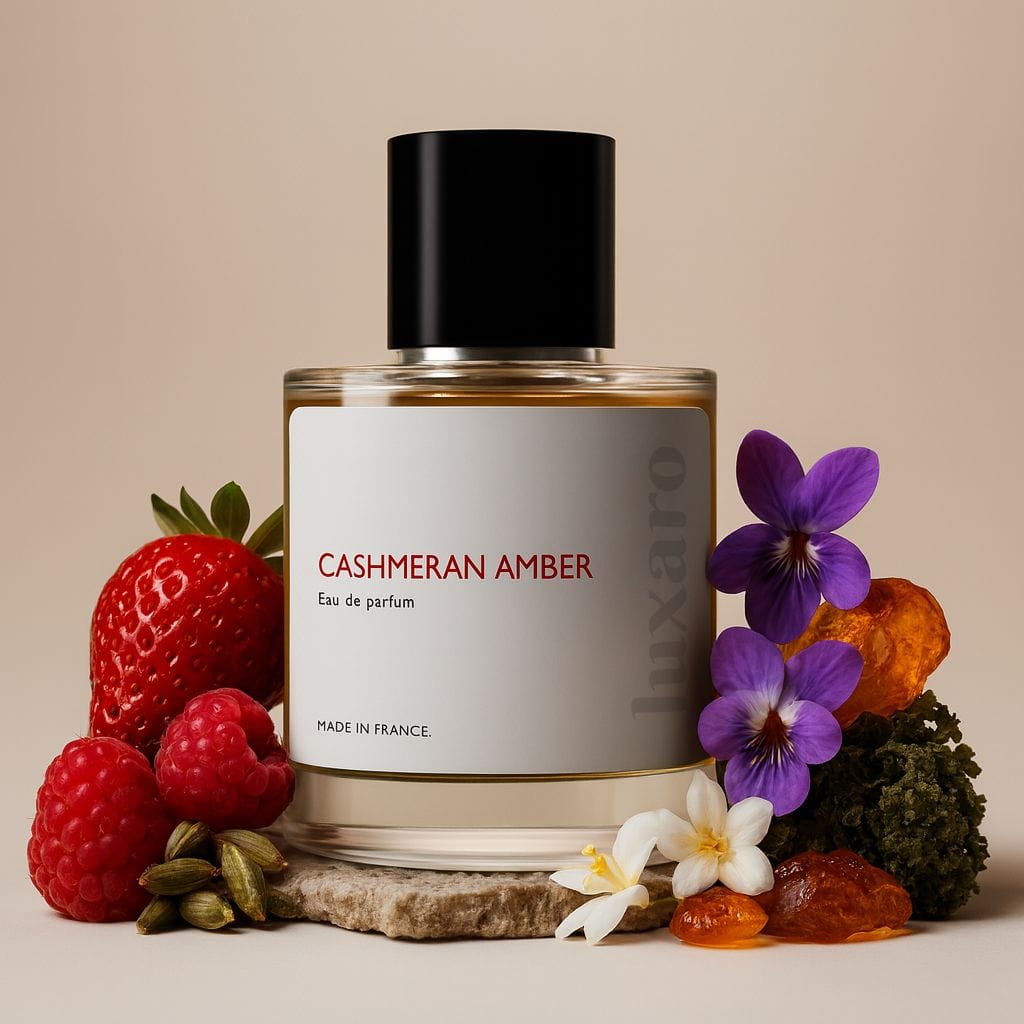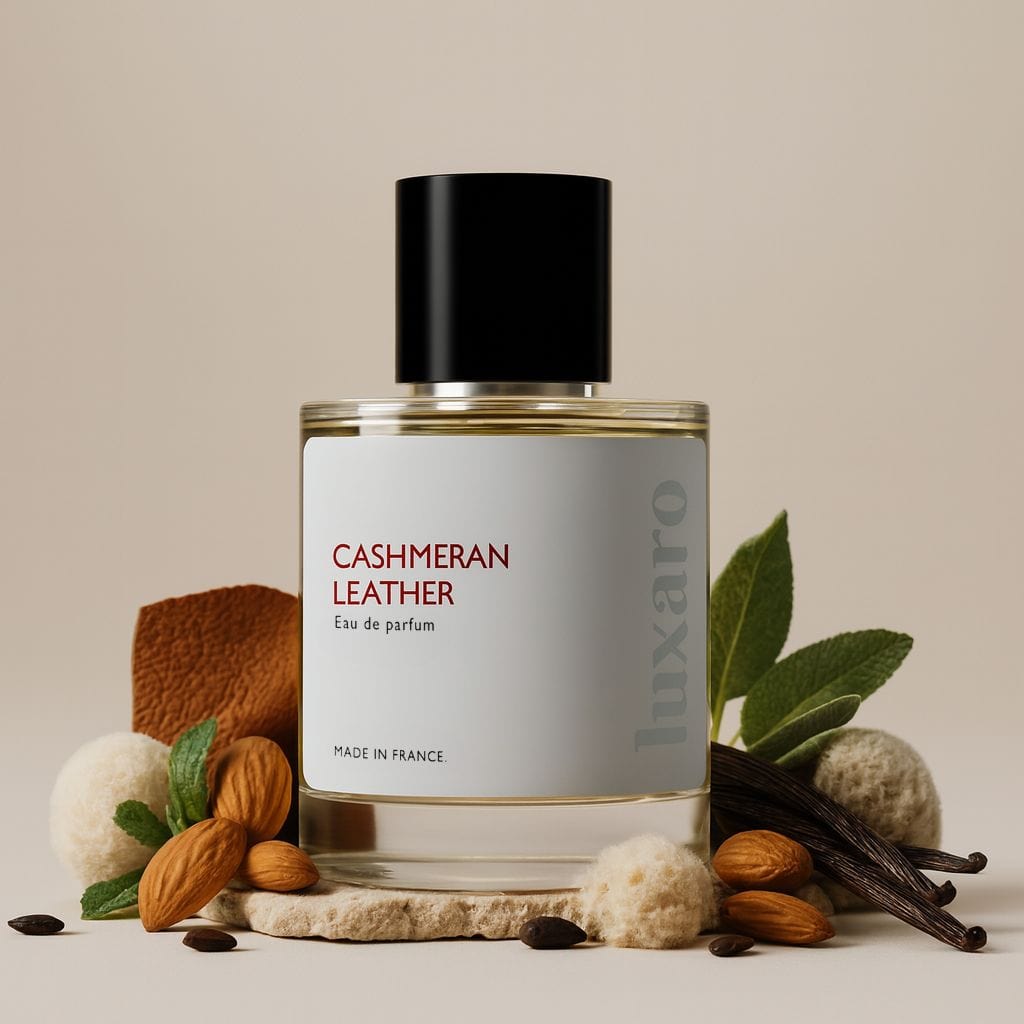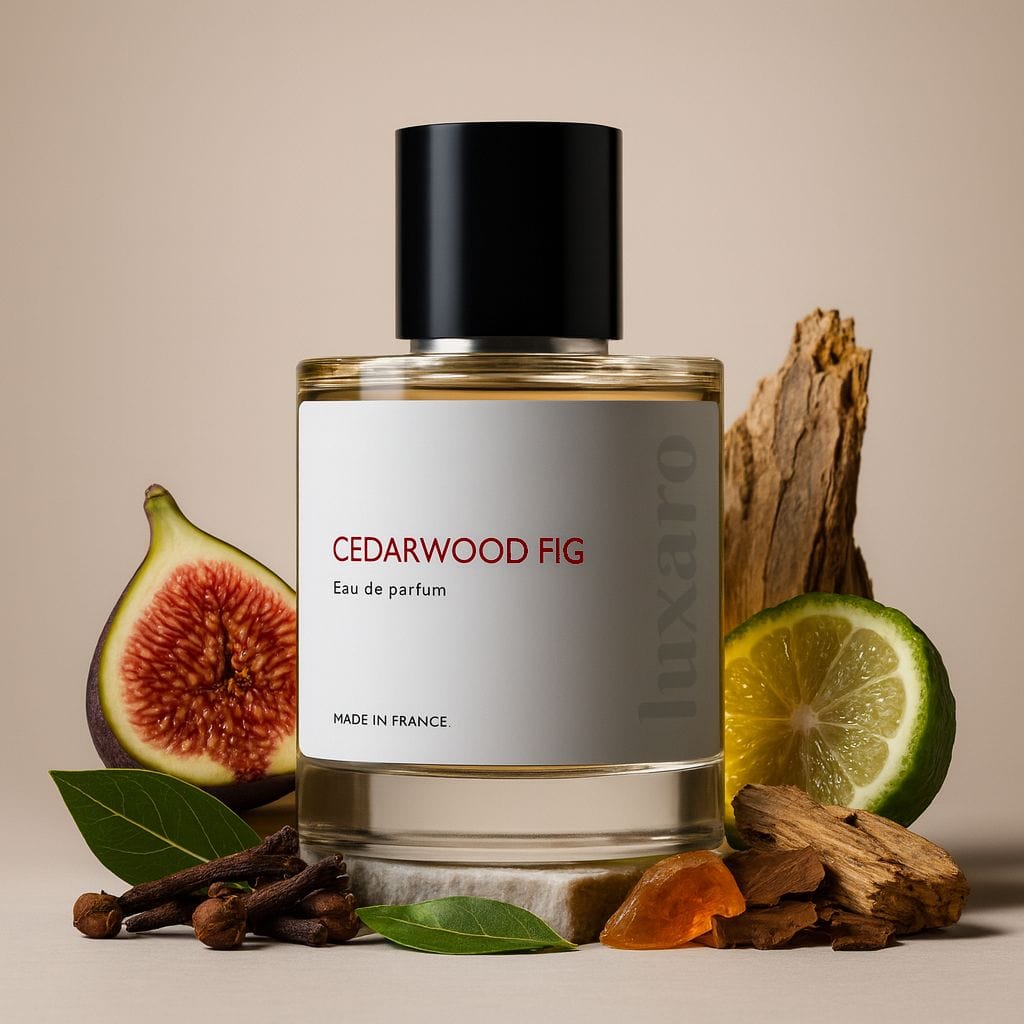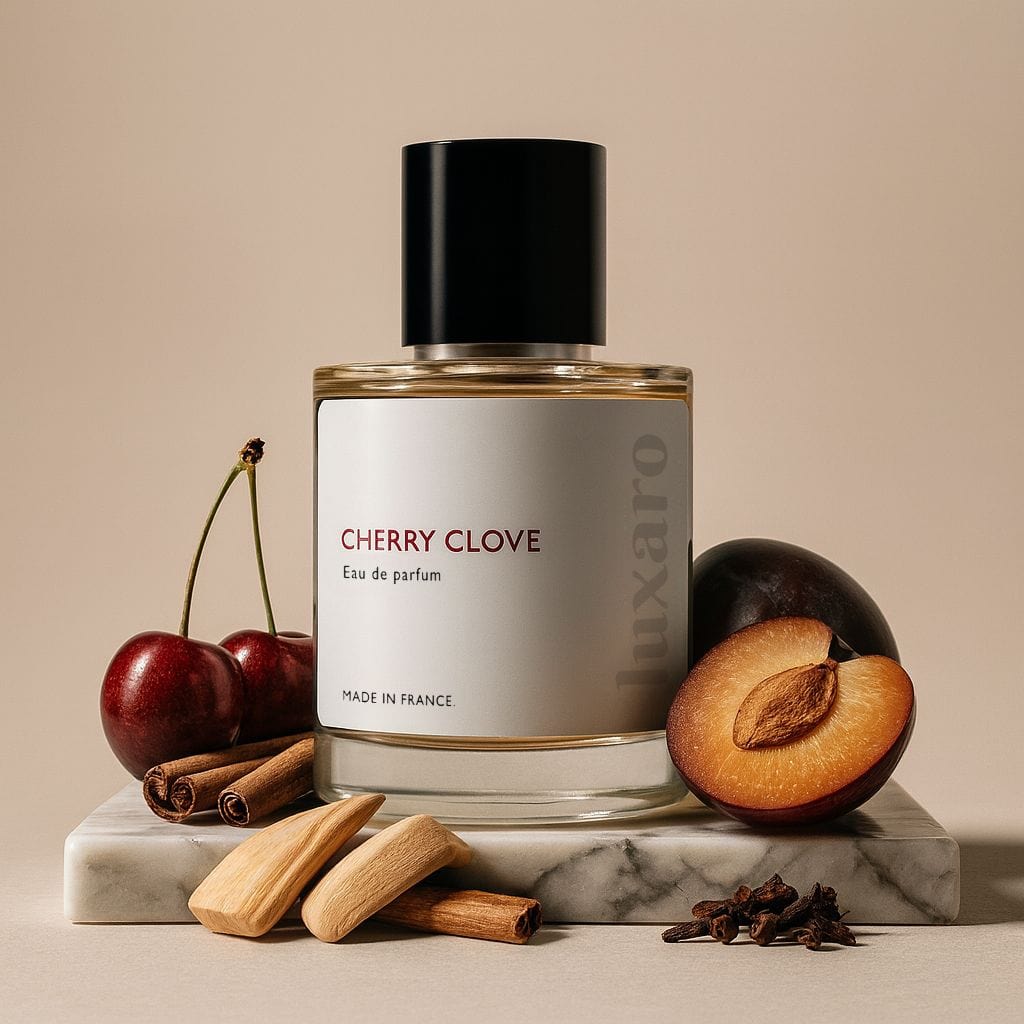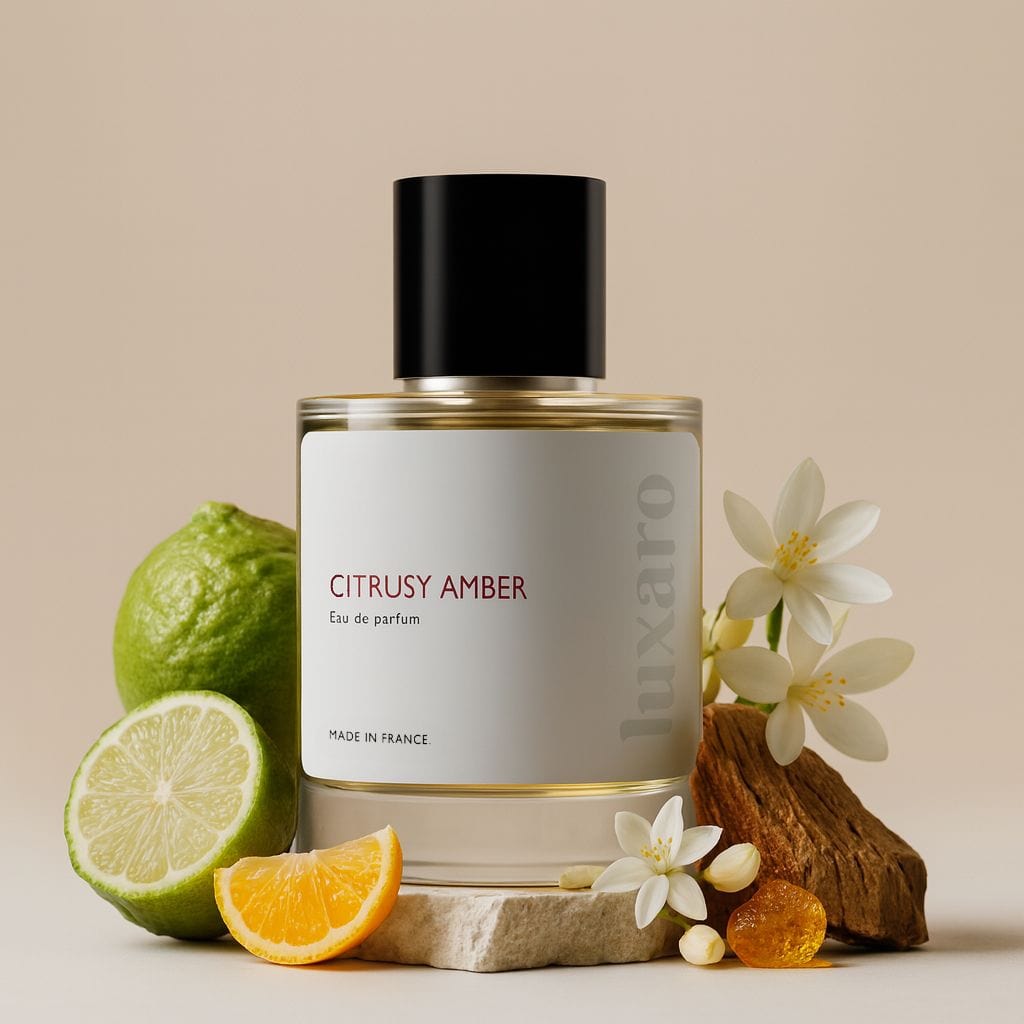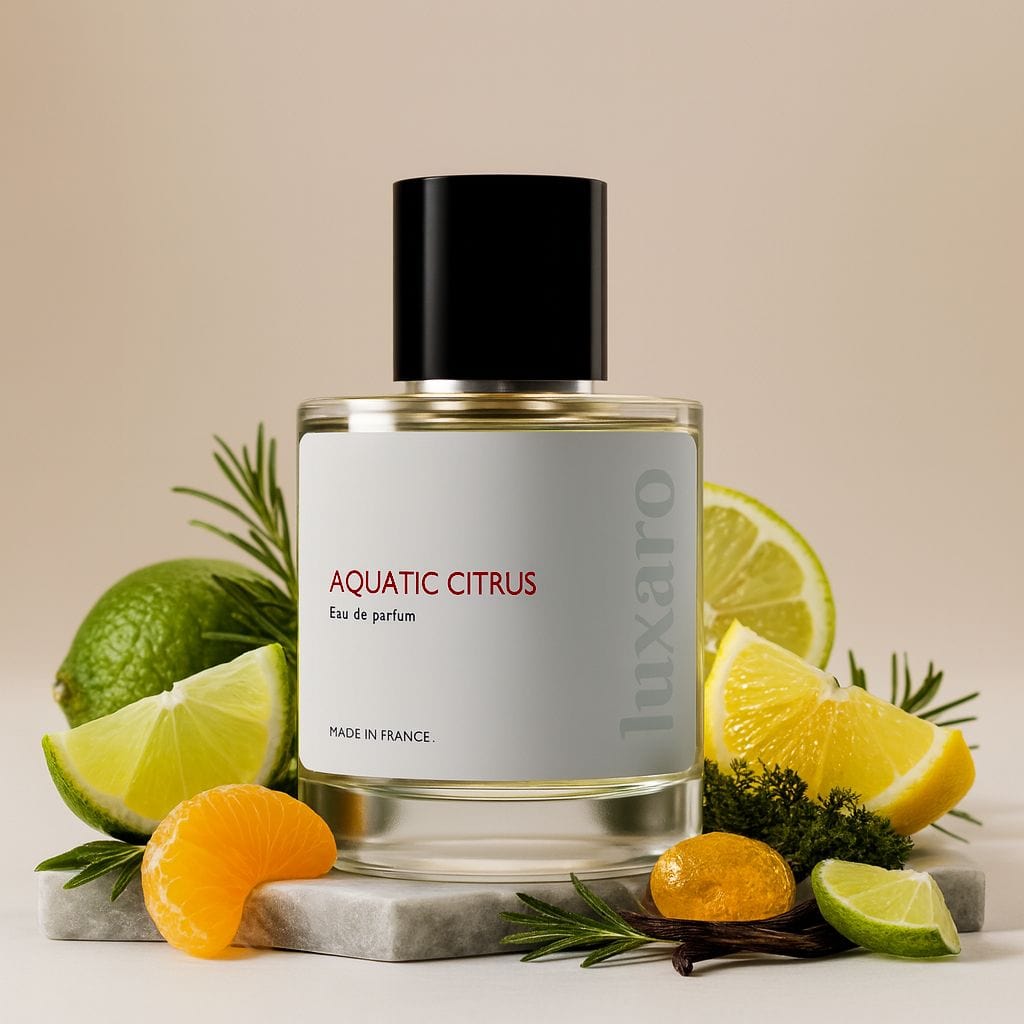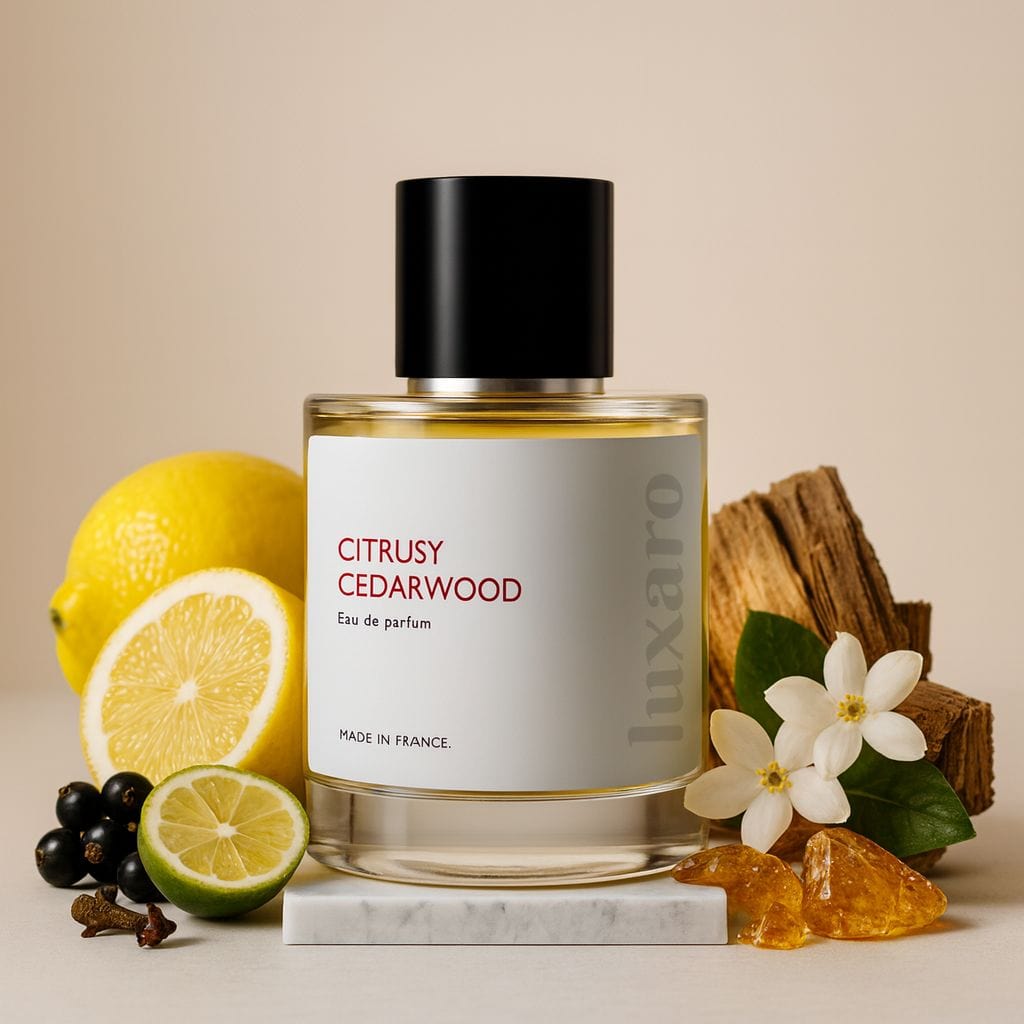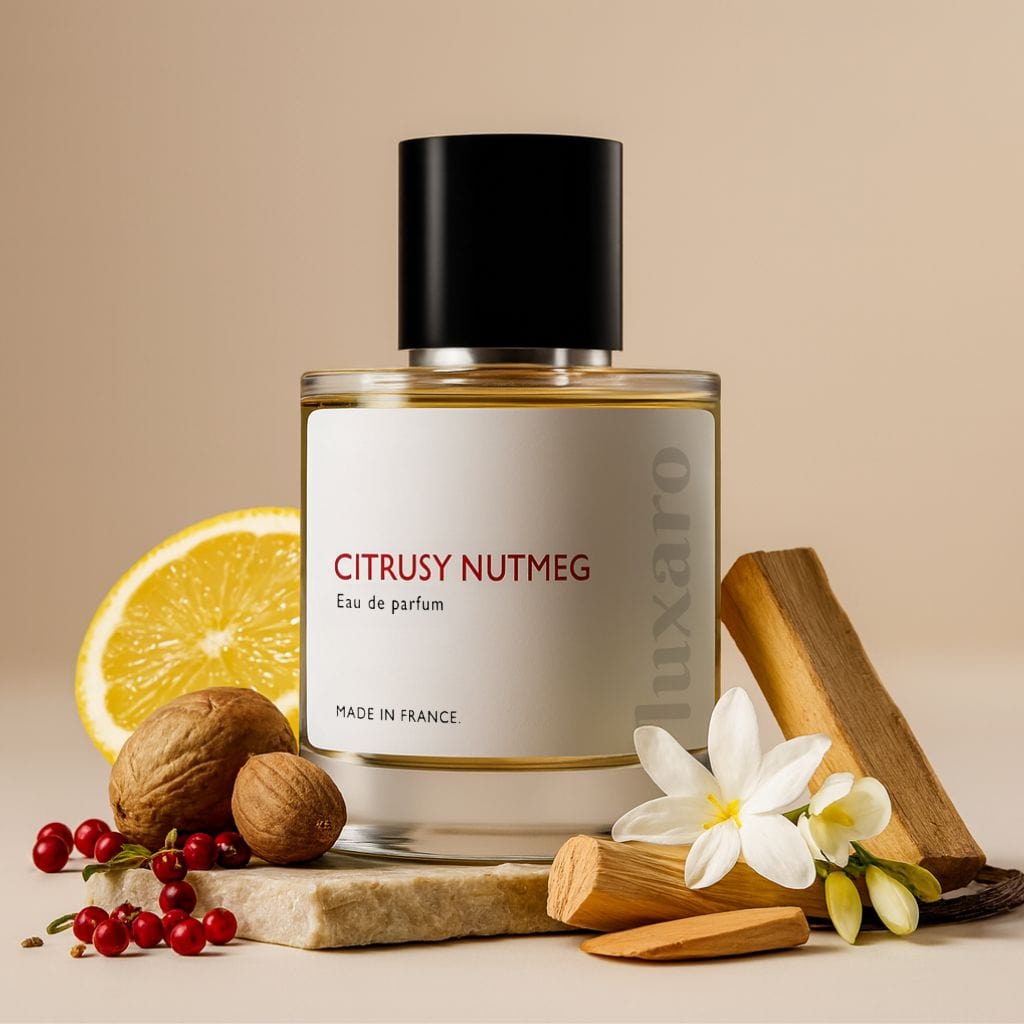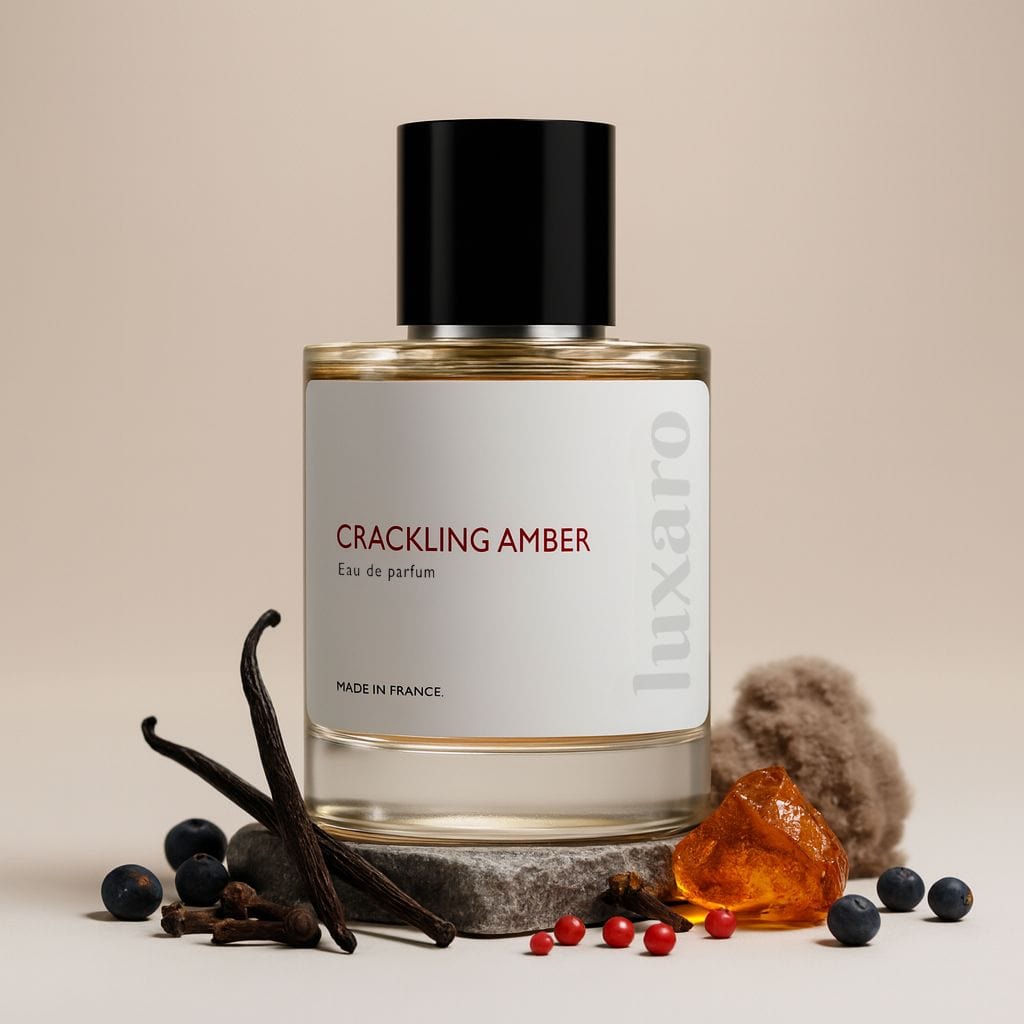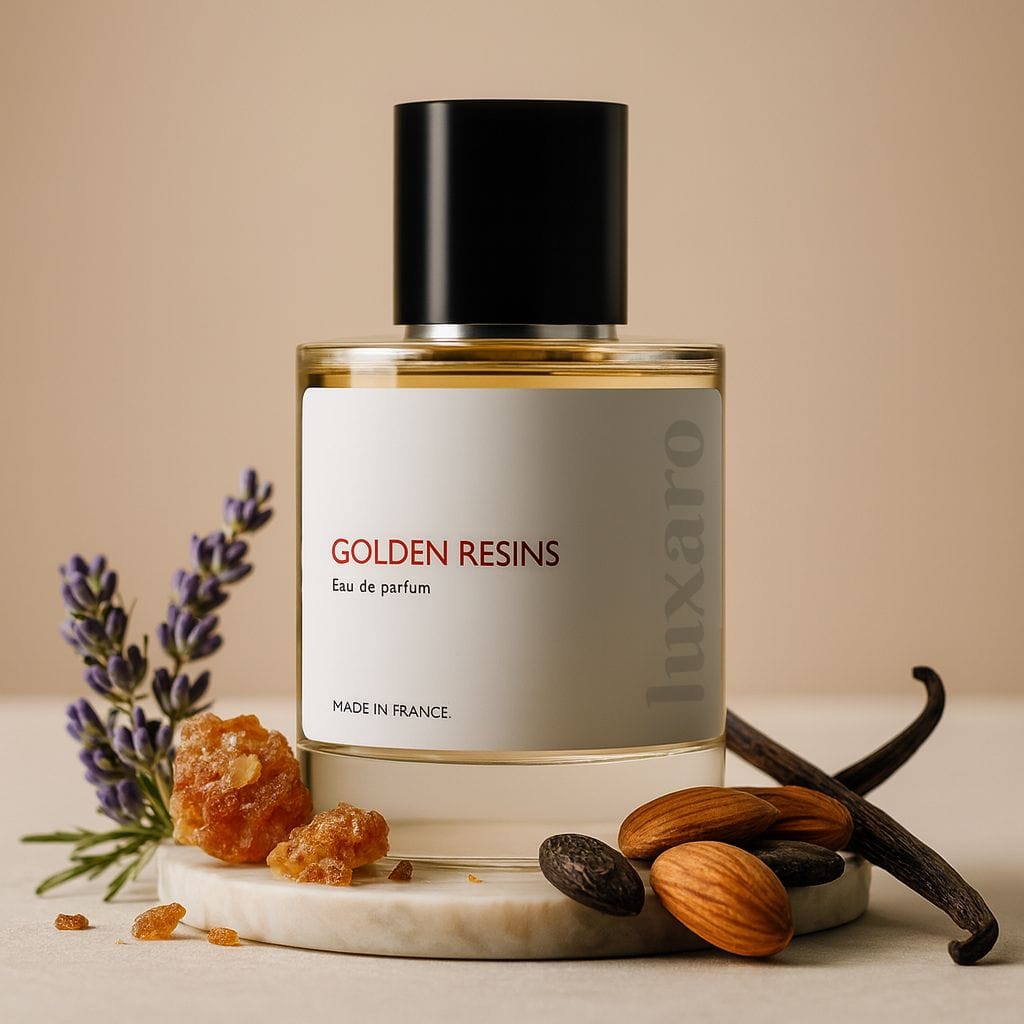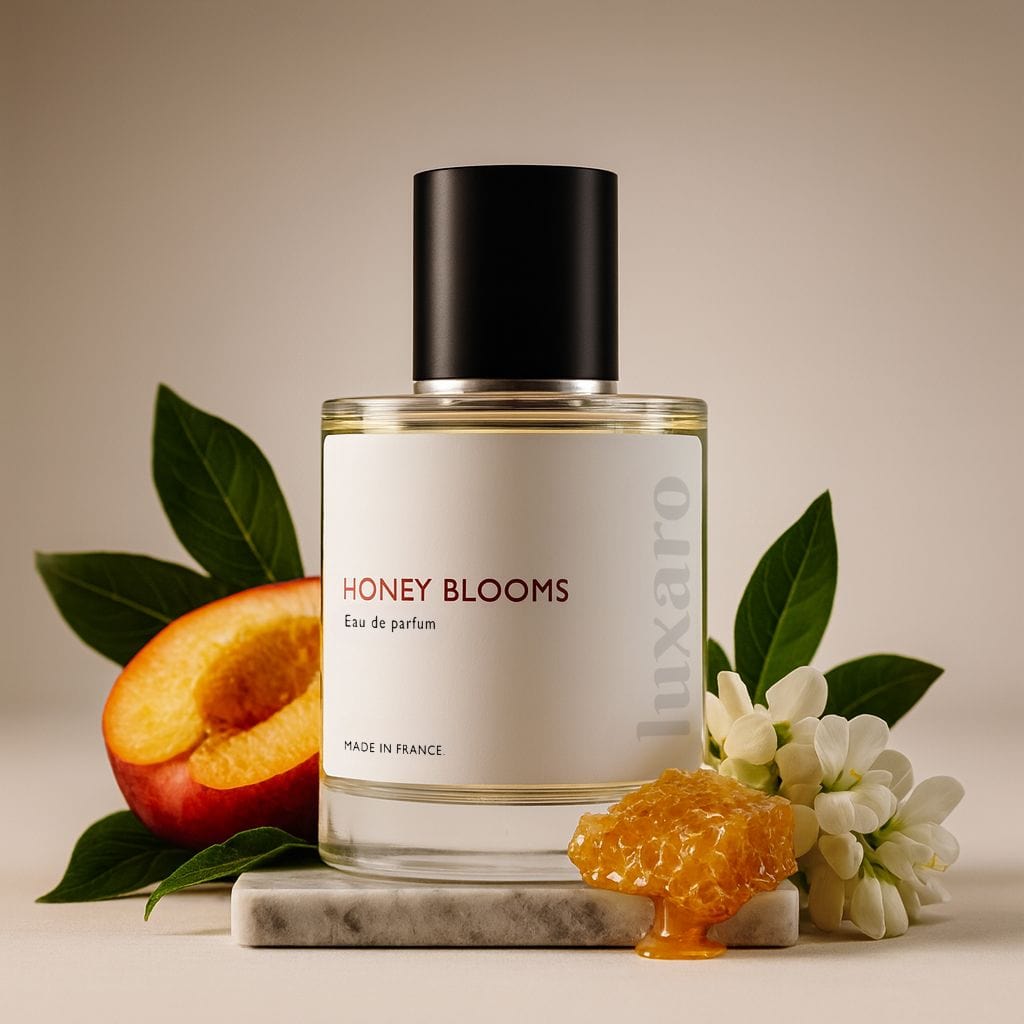

The rise of designer inspired fragrances reflects a clear shift in fragrance buying behaviour as consumers seek artistry, accessibility and variety. Many readers now look to designer inspired perfumes within a growing landscape shaped by evolving scent shopping trends. Luxaro appears in this context as part of the wider movement toward thoughtful perfume evaluation.
What is driving the shift toward designer inspired fragrances
Designer inspired fragrances are gaining traction because they offer sophisticated scent profiles without luxury pricing. This shift reflects broader consumer behaviour patterns in which people explore alternatives to Dior and other premium names. Inspired scents provide artistic satisfaction and flexible scent wardrobes.
In recent years shoppers have become more curious about the craft behind fragrances. They want to understand raw materials, note structure and the sensory storytelling built into every accord. Designer inspired perfumes respond to this interest by presenting well balanced interpretations that reference classical French perfumery tradition.
People are also more comfortable seeking value in beauty products. Perfume dupes allow consumers to enjoy striking aromatic compositions while spending thoughtfully. This aligns with a maturing fragrance market where buyers prioritise both experience and practicality.
Scent shopping trends show that personal identity is now expressed through variety rather than a single signature scent. This fuels demand for inspired scents that allow experimentation across fragrance families without financial strain.
How are scent shopping trends reshaping consumer expectations
Shifting scent shopping trends highlight a desire for transparency, performance and creative identity. Consumers want to know how raw materials influence longevity and sillage. They expect fragrances to tell a clear olfactory story and to evolve beautifully on the skin.
People are increasingly drawn to long lasting fragrances that project with intention. The rise of modern perfumery methods has made high quality performance more accessible, which further strengthens interest in fragrance alternatives.
Conversations across social platforms play a major role in reshaping expectations. Peer reviews help clarify how inspired scents behave in daily life, from opening notes to dry down. This social insight strengthens confidence in choosing perfume replacements.
As the market grows, shoppers explore inspired scents in relation to broader scent shopping trends. They compare accord structures, evaluate emotional impact and refine personal taste with greater precision than ever before.
Why are consumers seeking alternatives to Dior and other luxury names
Consumers increasingly turn to alternatives to Dior because they appreciate artistic fragrance without the pressure of prestige pricing. They want creative scent experiences that feel authentic rather than exclusive.
Designer inspired fragrances make it easier to build a versatile wardrobe. Shoppers can rotate between fresh aromatic styles, warm gourmand interpretations and modern woody expressions. This flexibility encourages experimentation across seasons.
Many people now analyse how perfumes unfold throughout the day. They study top, middle and base notes, paying careful attention to transitions and accord balance. Inspired scents offer an accessible way to appreciate this complexity.
The search for alternatives also aligns with sustainable thinking. Choosing fragrance alternatives allows people to own more scents while consuming more mindfully, focusing on value and craftsmanship.
How do people compare and assess inspired scents in real life
When learning how to choose dupes, consumers rely on practical comparisons. They evaluate opening freshness, mid note development and the character of the final dry down. This ensures the inspired scent aligns with their preferences.
Skin chemistry plays a major role in how fragrances behave. A perfume may appear bright and sparkling on one person yet warm and resinous on another. Understanding this helps shoppers make more confident decisions when sampling inspired scents.
Fragrance families guide comparison by offering structural reference points. Knowing whether a scent belongs to a floral, woody, amber or aromatic family makes it easier to judge how closely a perfume dupe aligns with the intended style.
People also pay attention to sillage. They often test how a fragrance projects in real life settings such as outdoors, in enclosed spaces or across different temperatures. This helps them judge authenticity of character and overall performance.
What makes a high quality designer inspired perfume
A high quality designer inspired perfume is defined by its materials and balance. Craftsmanship begins with raw materials chosen for clarity, brightness and persistence. The perfumer then builds an accord structure that respects each note’s place within the scent.
Longevity and sillage remain essential to performance. Many modern inspired scents match or exceed luxury names in projection thanks to advances in extraction techniques and modern perfumery methods. This strengthens consumer trust.
Balance is equally important. A well produced perfume dupe should feel coherent from first spray to final dry down. Smooth transitions between fragrance families reveal artistic care and technical skill.
Consistency also matters. Buyers expect inspired scents to perform reliably across batches. This requires rigorous attention to formulation stability and production methods rooted in established perfumery tradition.
How are inspired scents shaping new fragrance habits
Inspired scents influence daily habits by making scent expression more accessible. People now reach for multiple fragrances each week instead of relying on a single signature. This encourages ongoing experimentation across mood, season and occasion.
Affordability fosters playful exploration. Consumers feel free to build broader wardrobes that span light citrus freshness, velvet florals, radiant ambers and confident woody styles. This deepens understanding of note interplay and structure.
Confidence grows when people can compare scents across fragrance families. They learn to recognise raw materials such as benzoin, sandalwood and musk and understand their impact on sillage and longevity. This enhances personal scent literacy.
This new fluency becomes tangible in examples such as a contemporary woody signature shaped through Patchouli Pine here consumers analyse the development of cedar toned accords and textured mossy depth to understand why certain alternatives resonate so strongly.
Conclusion
Designer inspired fragrances are reshaping the modern perfume landscape through accessibility, artistry and informed consumer behaviour. People now approach scent with a desire for transparency, variety and personal meaning. By focusing on performance, craftsmanship and note structure, inspired scents empower wearers to express themselves more fully. This shift marks a long term change in how individuals evaluate fragrance and build their aromatic identities.