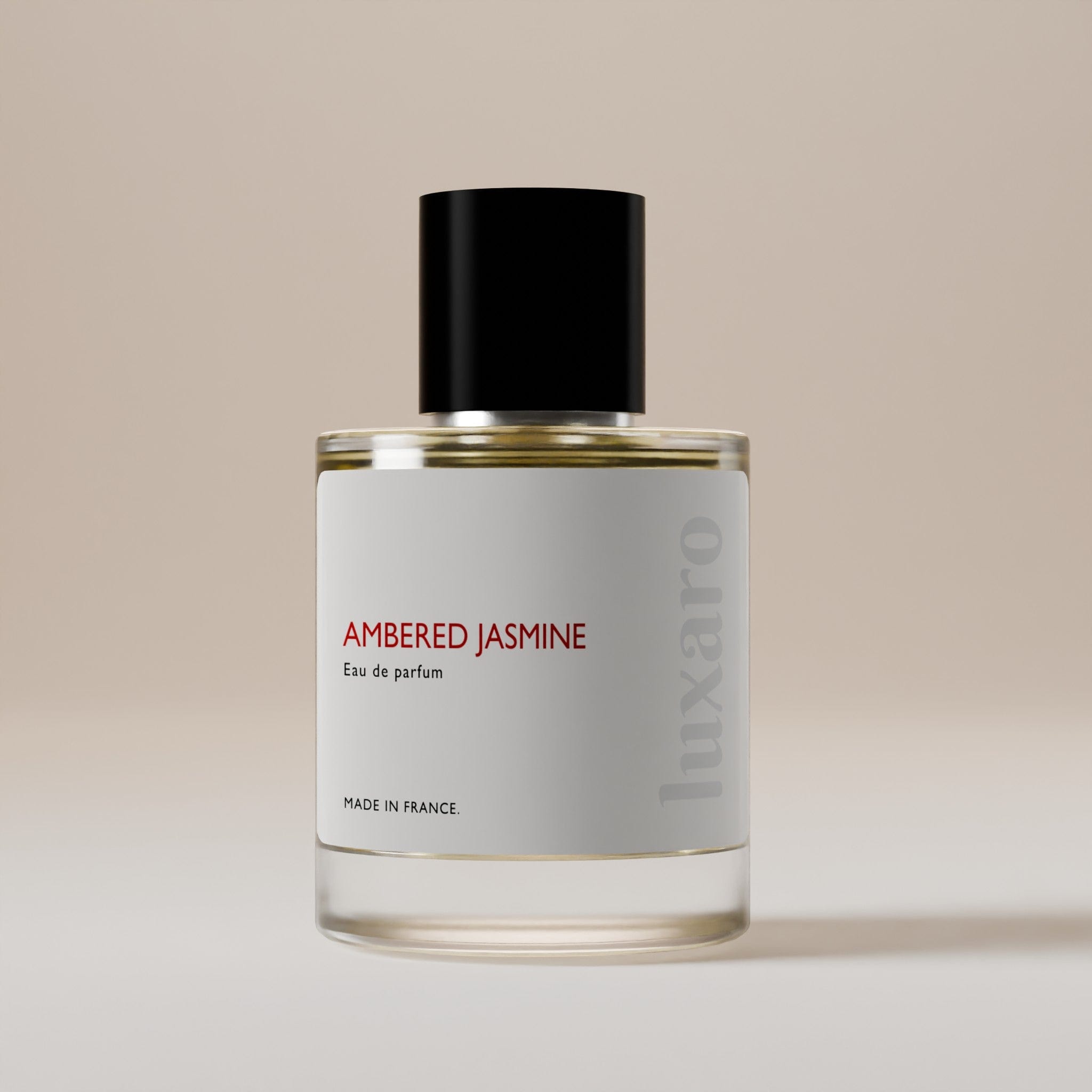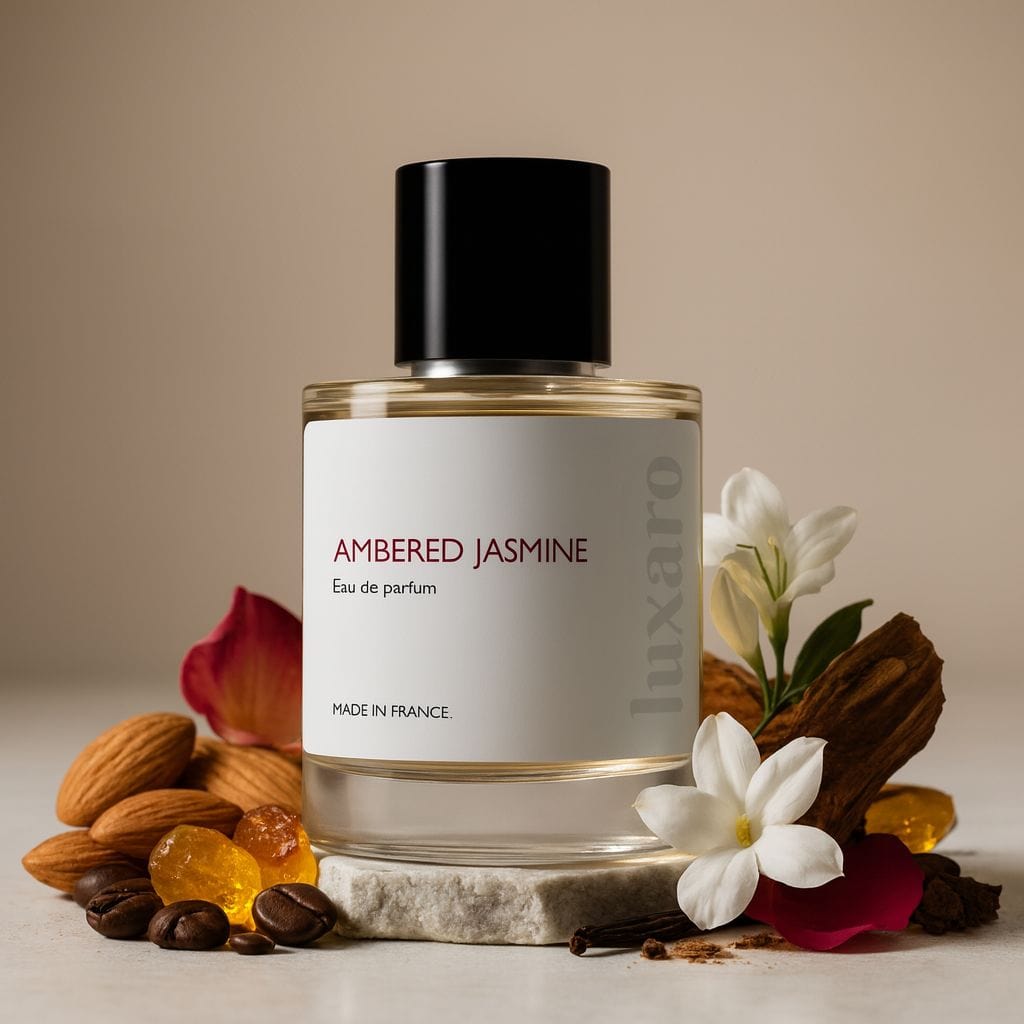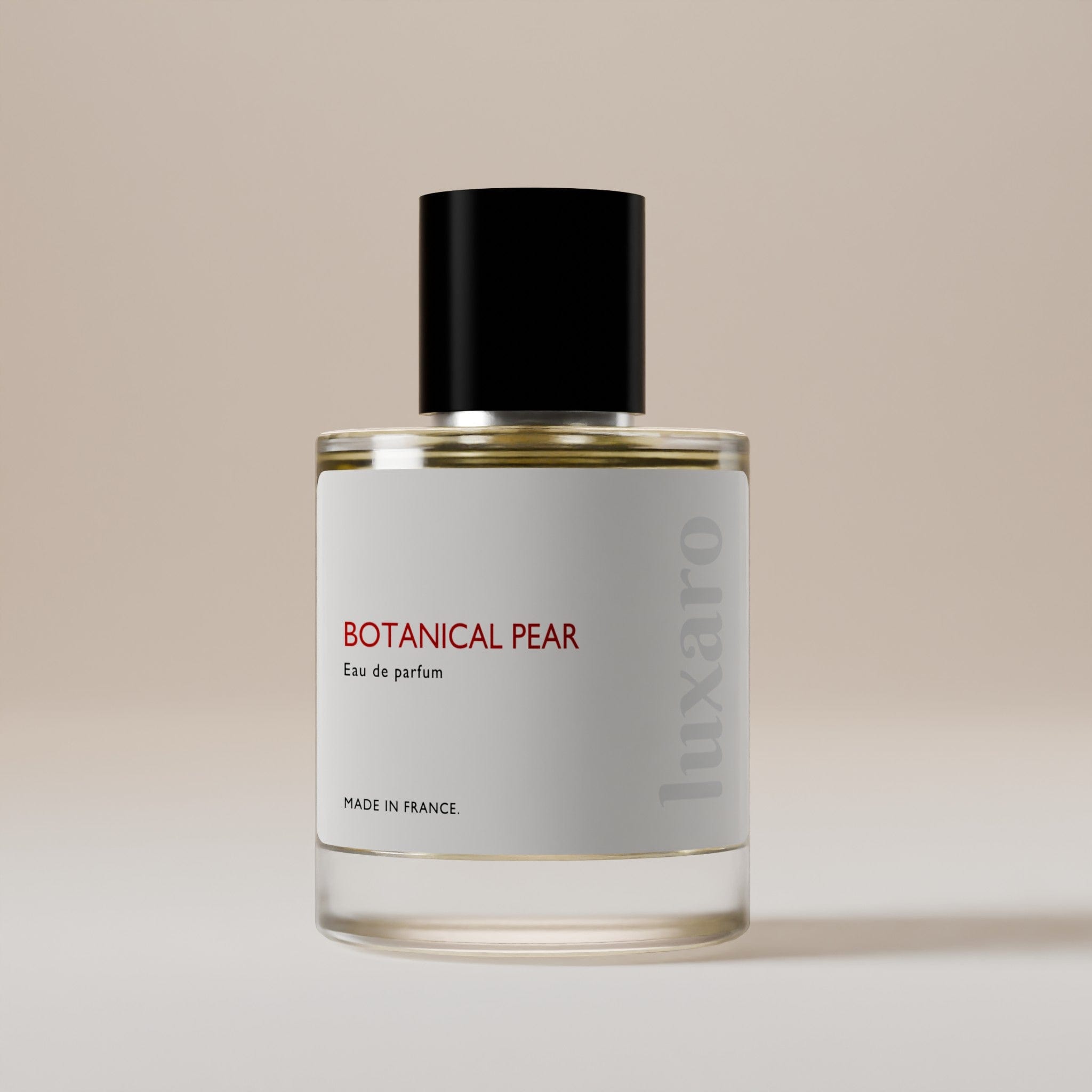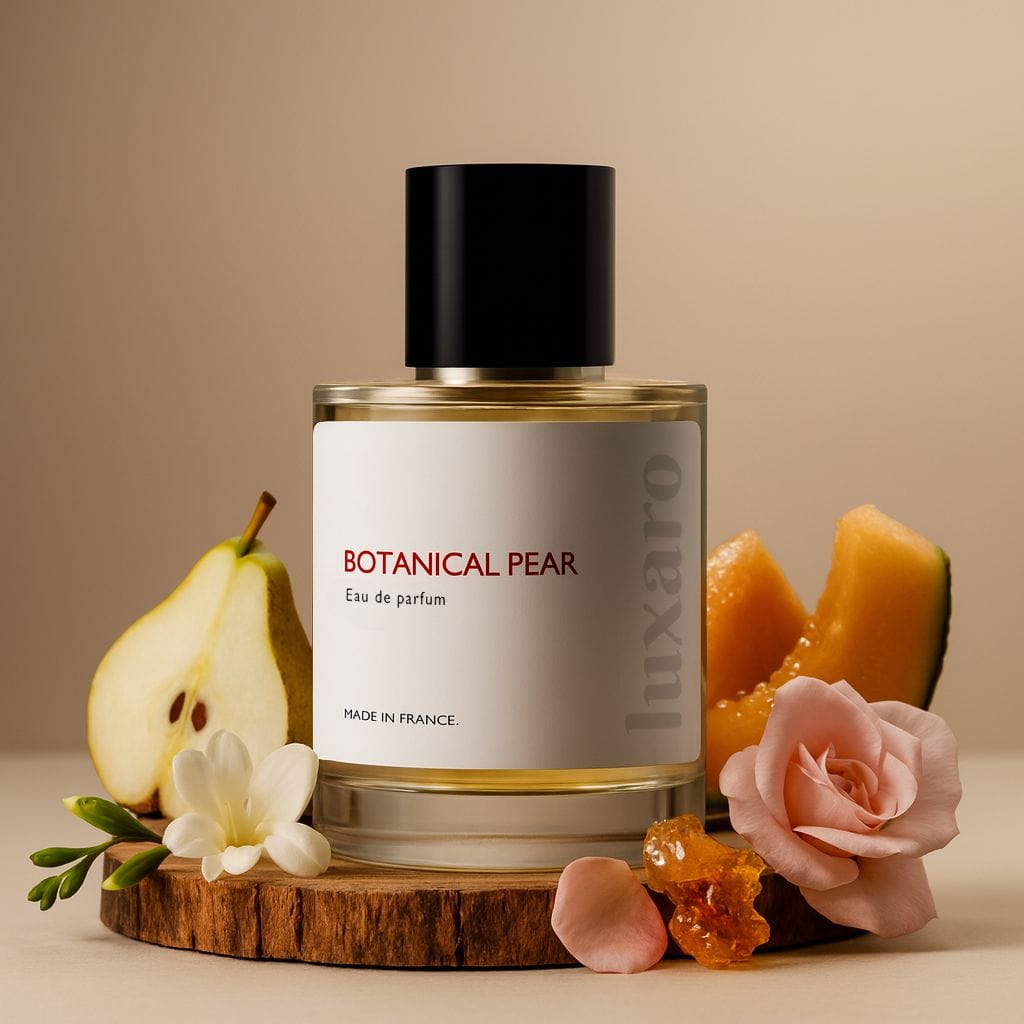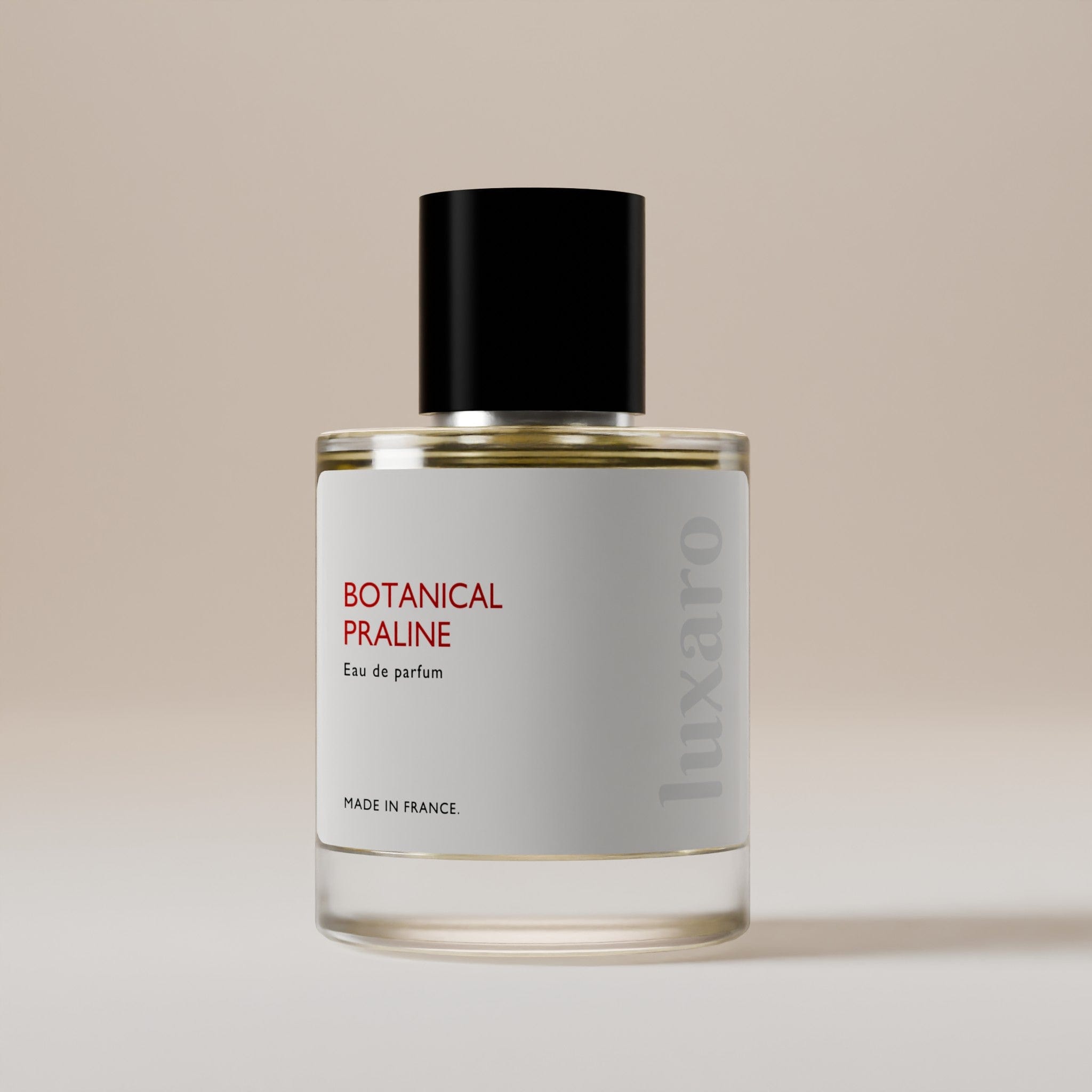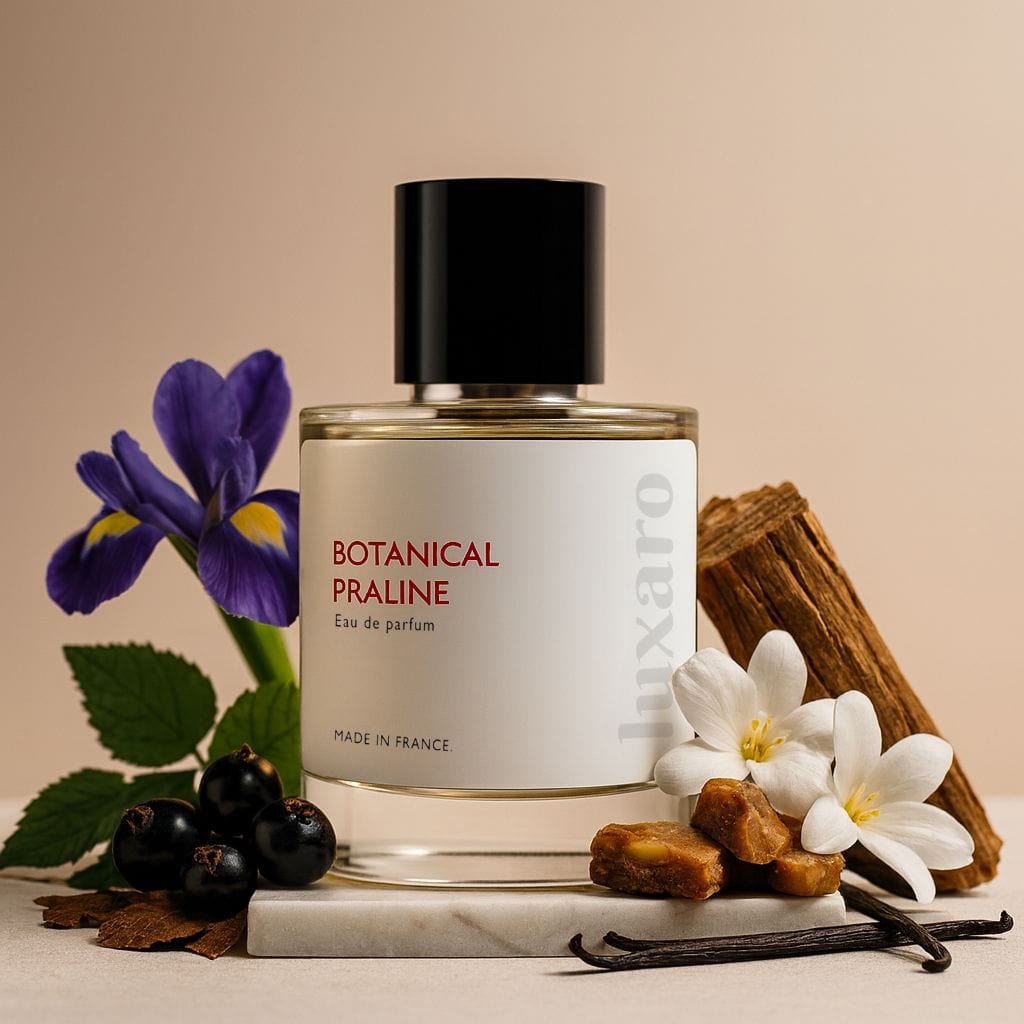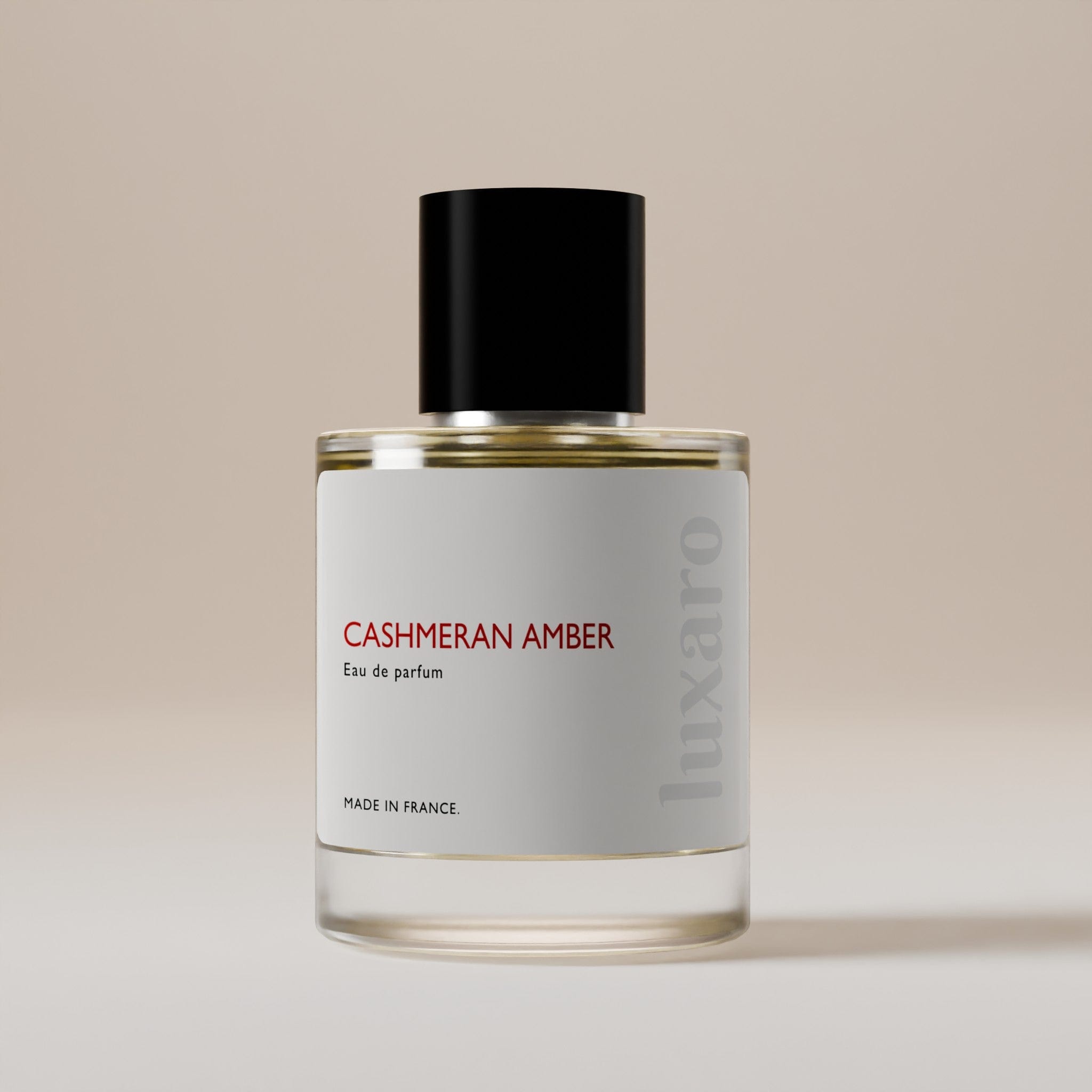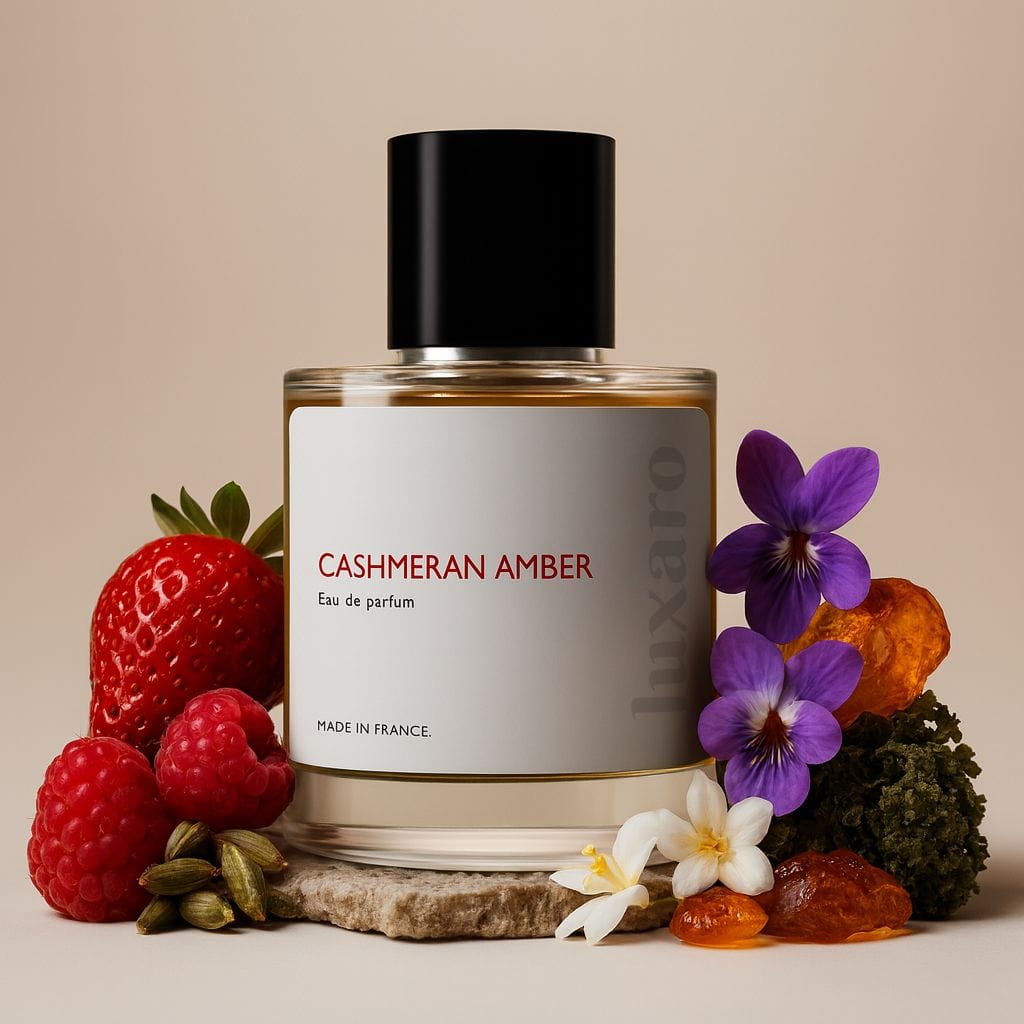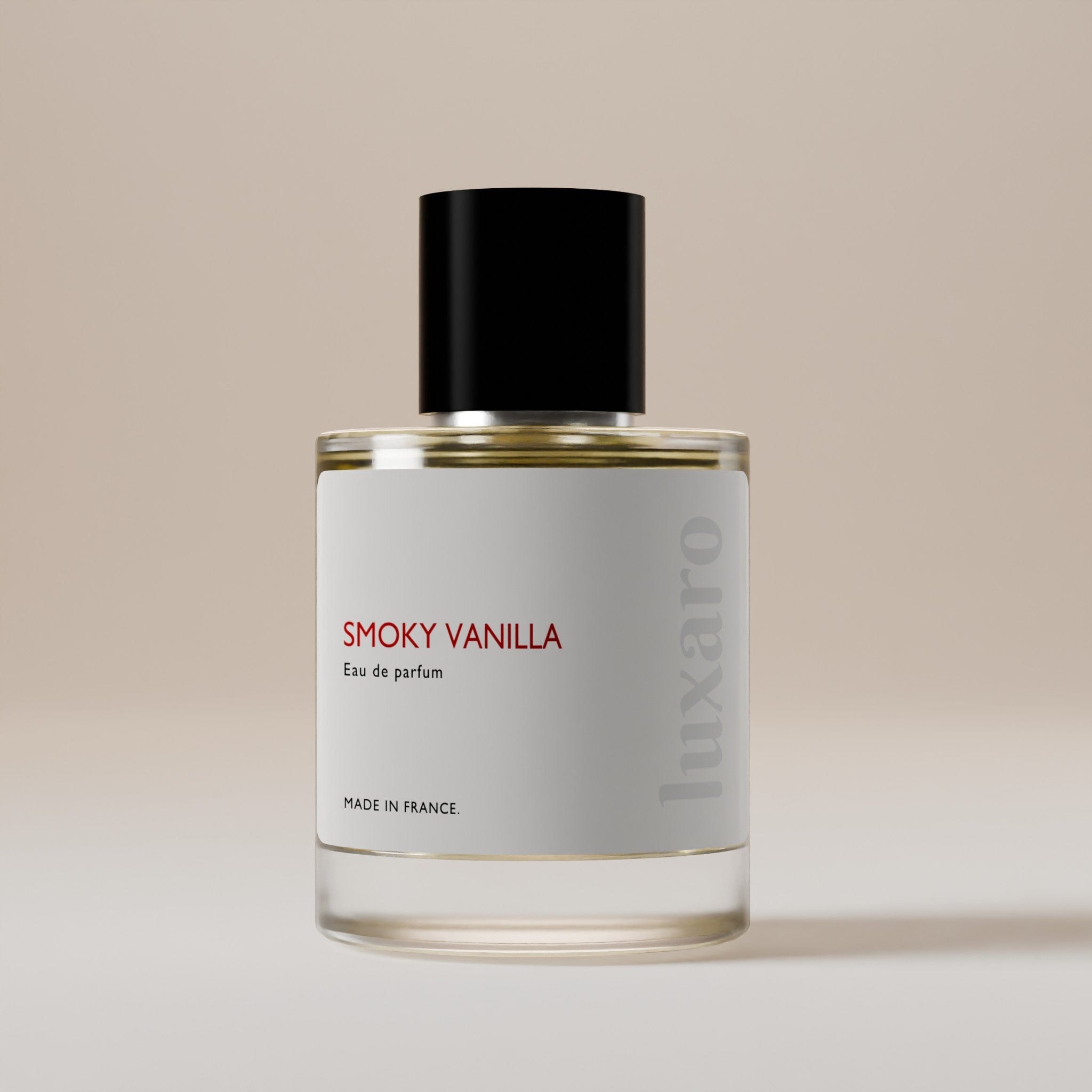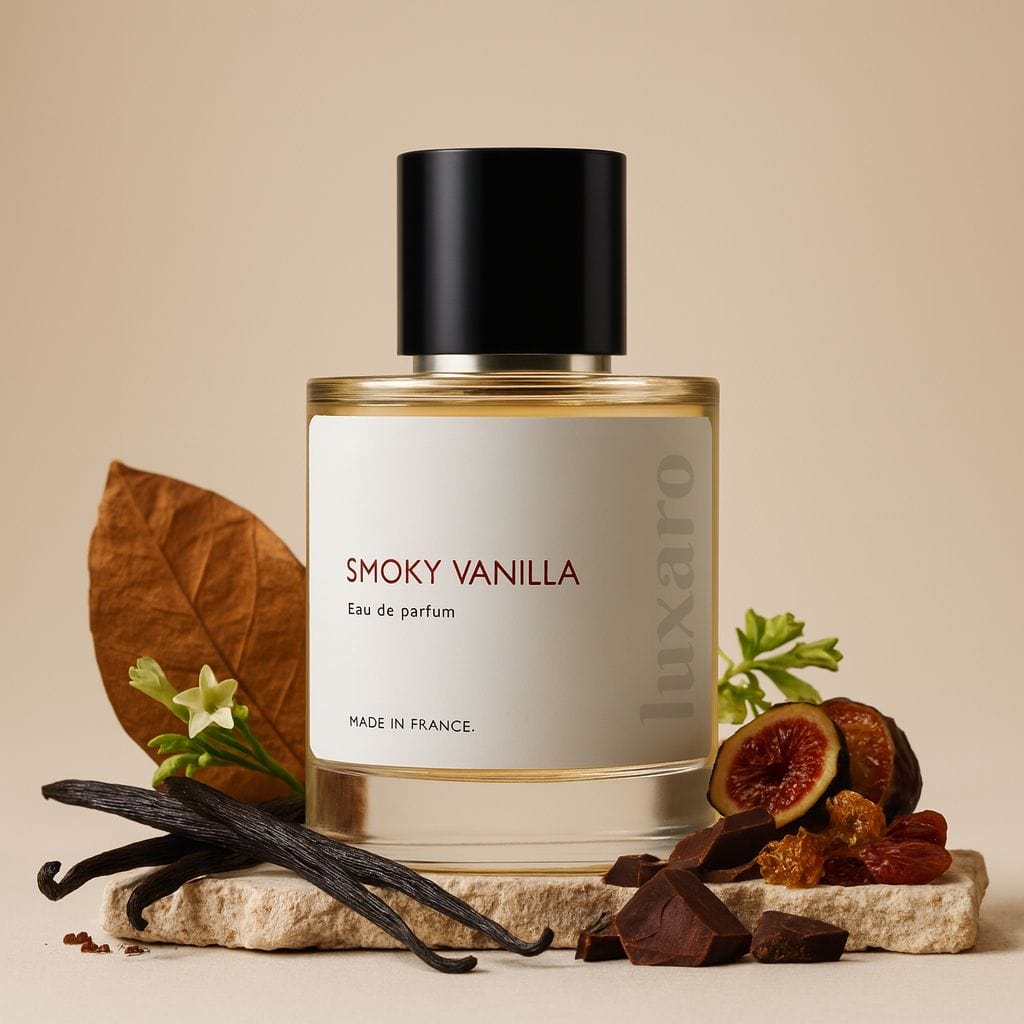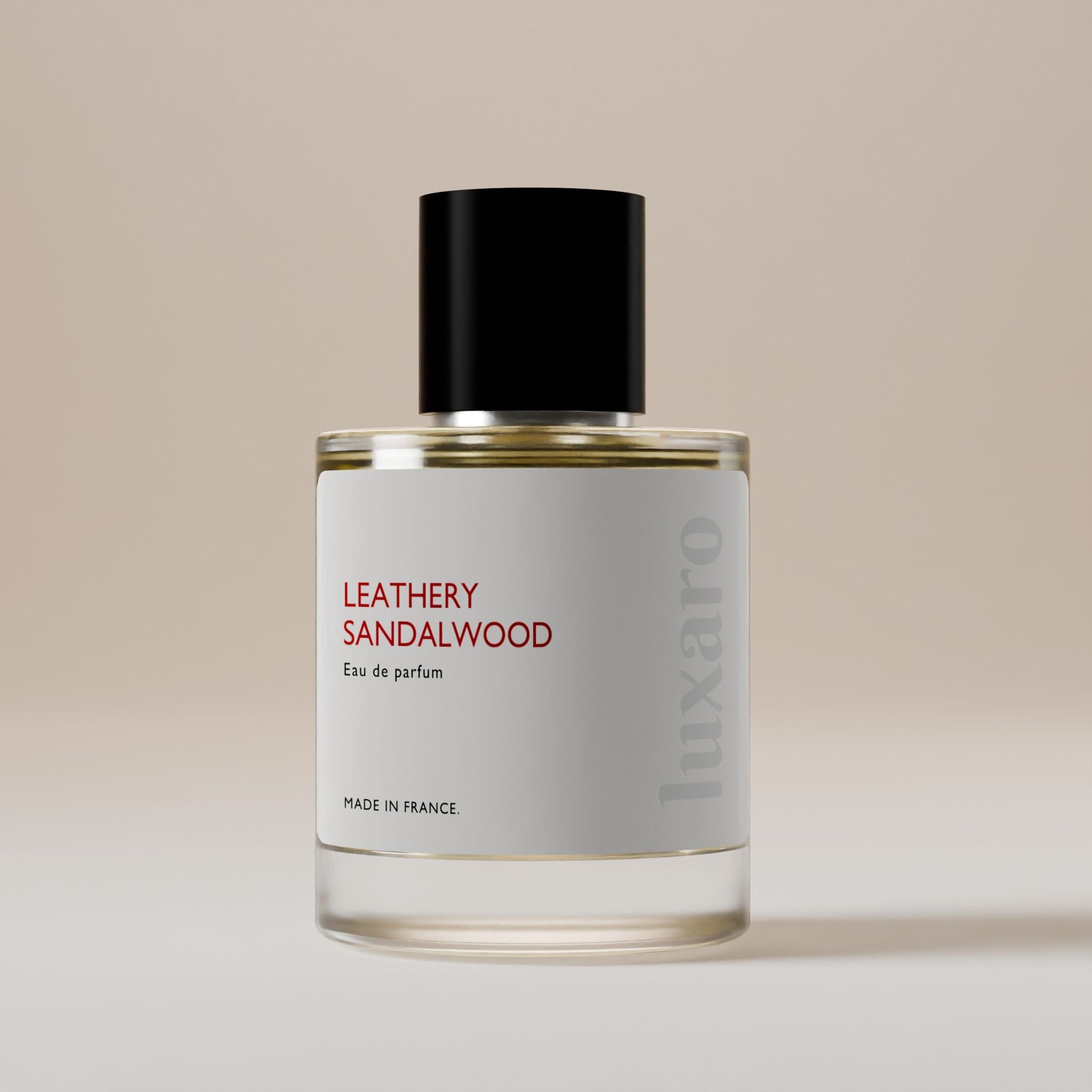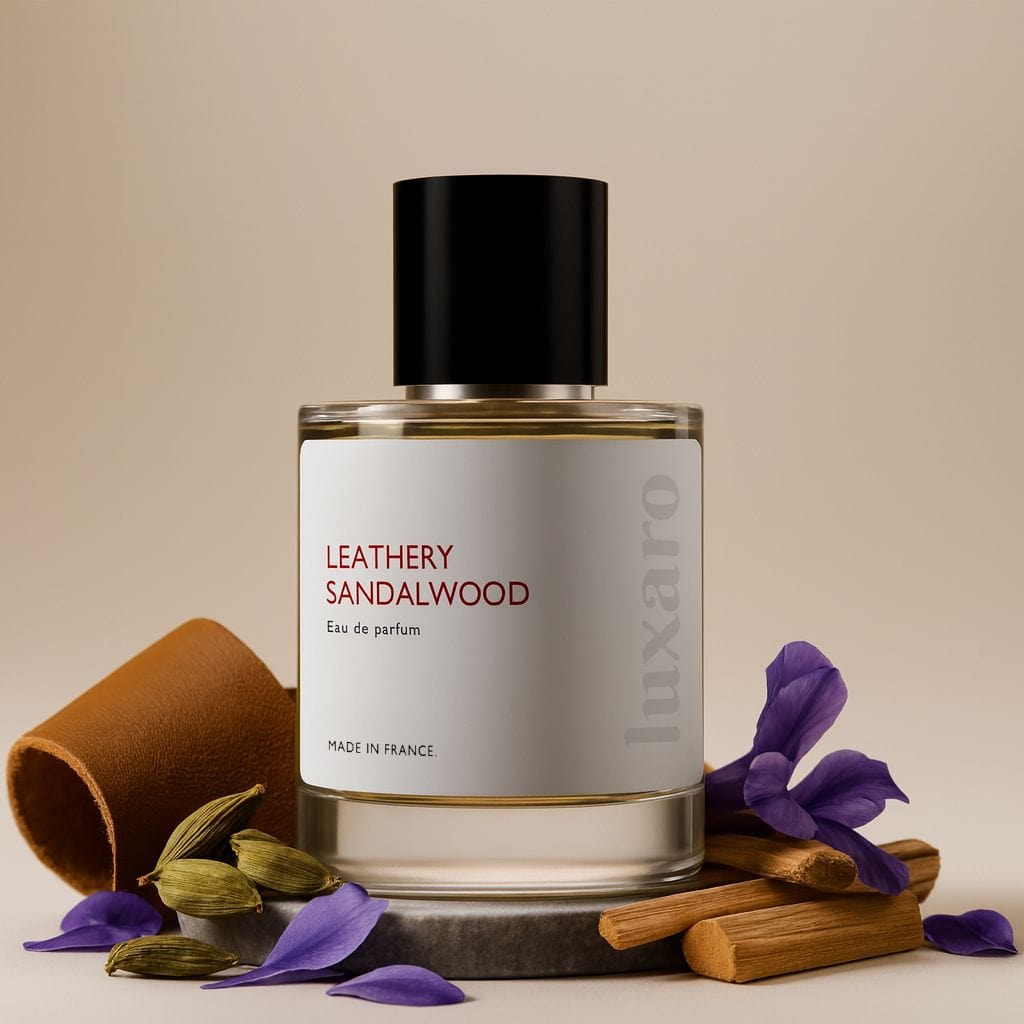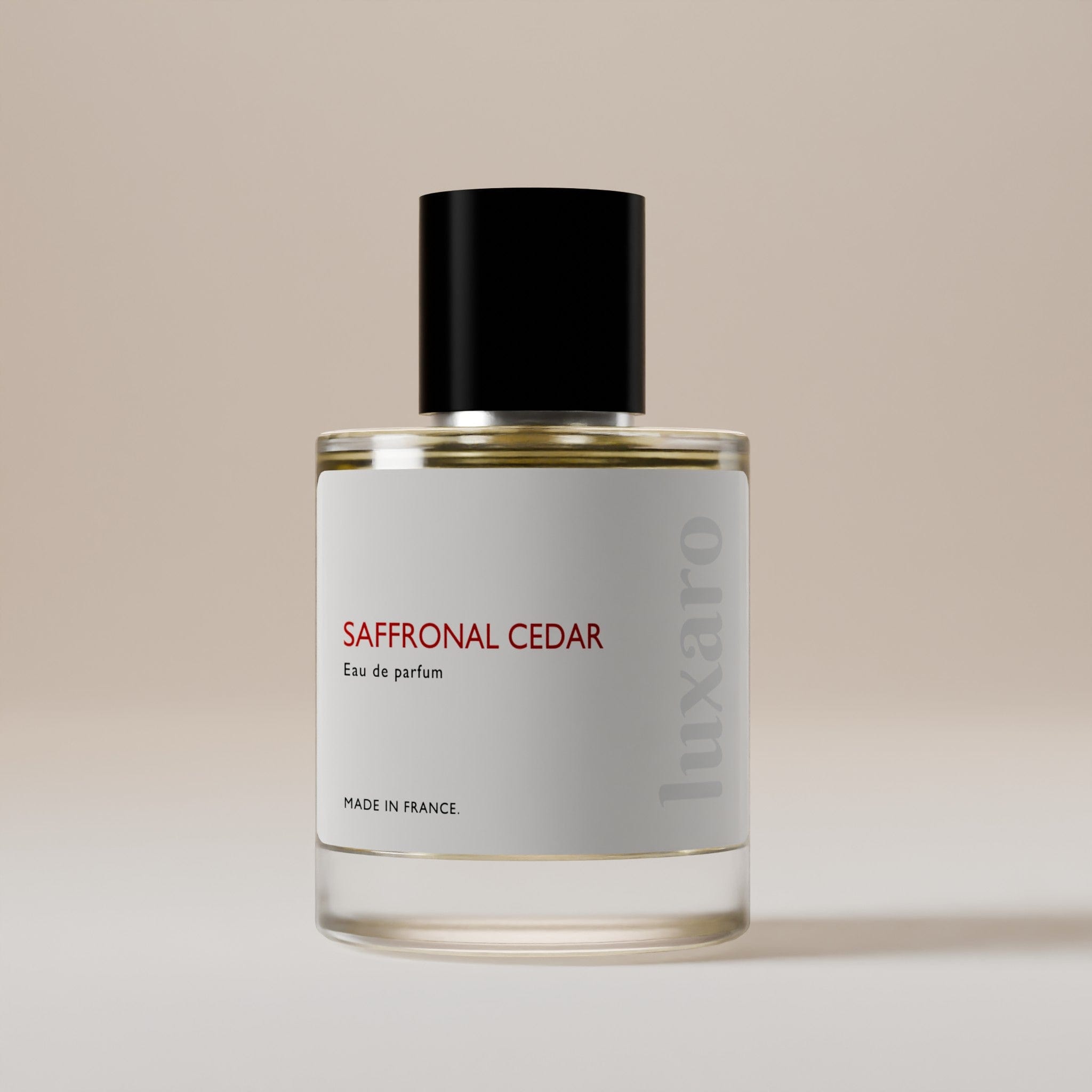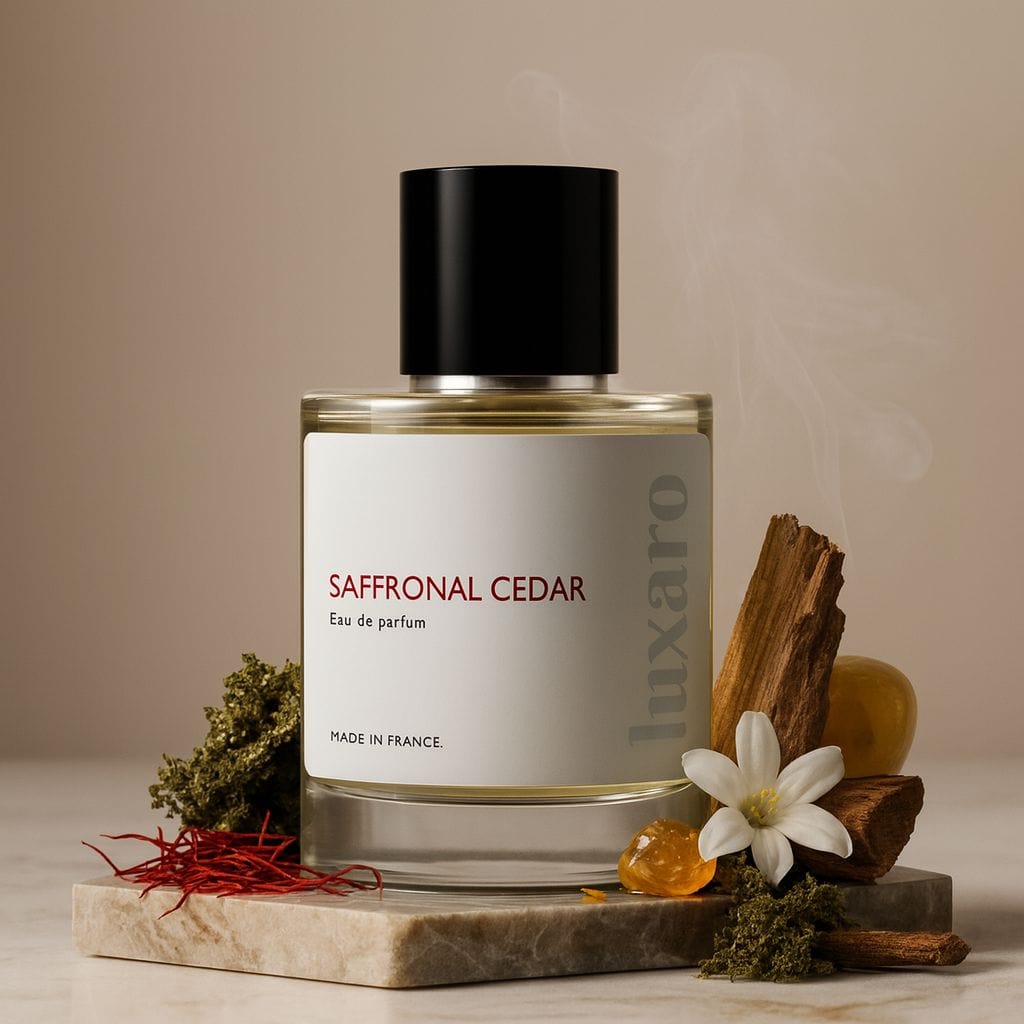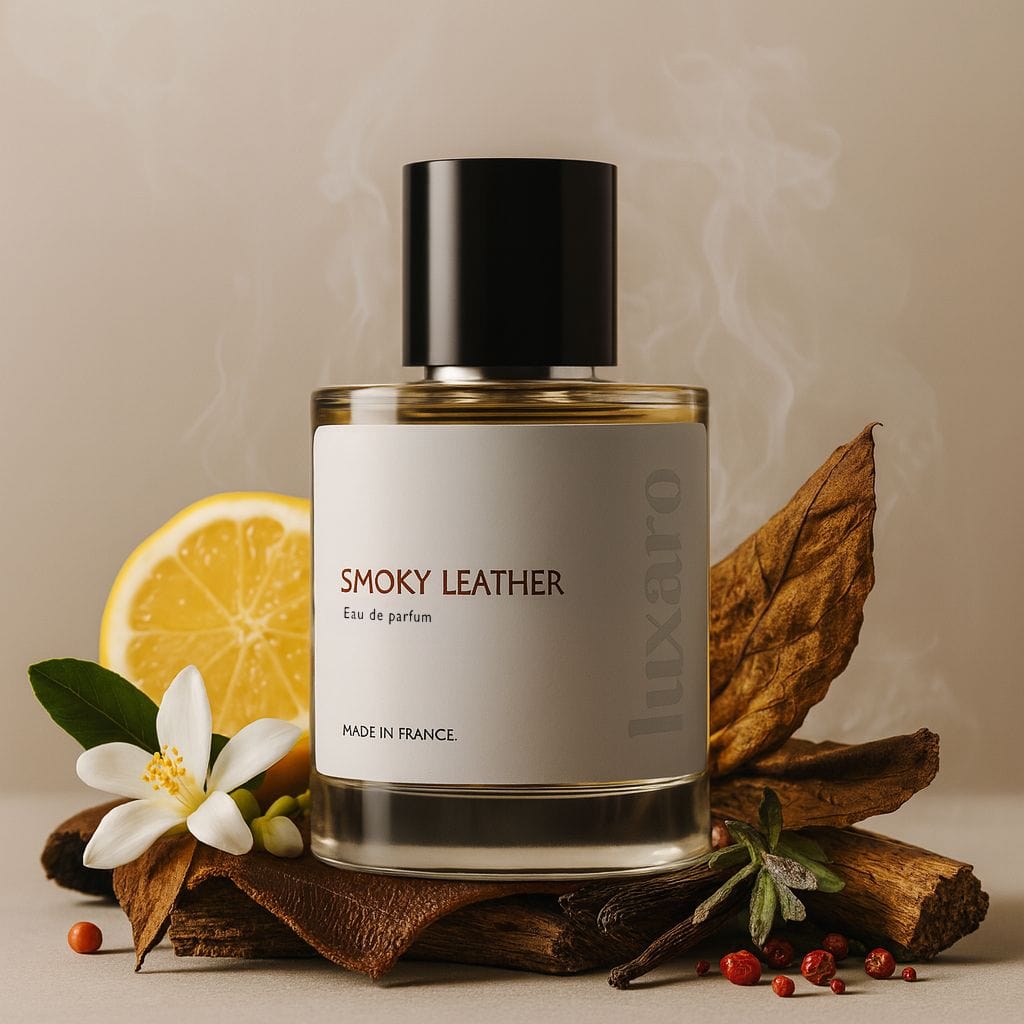

Eid celebrations are moments of joy, generosity and gathering with family and friends. Fragrance has long played an important role in these occasions, where personal scent becomes part of preparing for prayer, hospitality and celebration. Many fragrance lovers explore designer inspired perfumes from Luxaro and other houses as a way to enjoy elegant scents influenced by traditional eid perfumes and classic arabic perfume notes.
For readers comparing fragrances suited to the season, a curated edit of Eid perfumes can make it easier to explore oud, rose and musk led styles in one place.
Why are perfumes an important part of Eid celebrations?
Perfume has deep cultural and spiritual significance during Eid. Fragrance is traditionally worn before prayer and social gatherings, symbolising cleanliness, respect and celebration. Eid perfumes are therefore more than cosmetic products. They reflect hospitality, identity and the joy of marking an important religious occasion.
Throughout the Middle East, South Asia and North Africa, scent has been associated with personal presentation and ritual preparation. Wearing perfume before communal prayer is a long standing practice that connects fragrance with both spirituality and daily life.
During Eid gatherings, fragrance also becomes a form of social expression. Guests often arrive wearing their finest traditional eid perfumes, creating an atmosphere where scent subtly fills the air. These aromas reflect heritage, elegance and cultural pride.
Classic arabic perfume notes such as oud, musk and rose remain especially popular during Eid because they evoke warmth, refinement and celebration.
Why are oud, musk and rose considered traditional Eid fragrances?
Oud, musk and rose have been central to Middle Eastern perfumery for centuries. These ingredients appear frequently in traditional eid perfumes because they symbolise luxury, purity and beauty. Each note carries a rich history rooted in cultural rituals and fragrance craftsmanship.
Oud perfume for eid is valued for its deep woody character and remarkable longevity. Musk perfume tradition emphasises softness and purity, often worn close to the skin. Rose fragrance for eid introduces floral elegance and emotional warmth to perfume compositions.
Together these notes create balanced oriental fragrance notes that feel rich yet comforting. They belong to fragrance families known for warmth, depth and longevity, which makes them ideal for celebrations that last throughout the day and evening.
Their continued popularity demonstrates how traditional raw materials still shape modern perfumery.
What makes oud perfume so special for Eid?
Oud perfume is widely regarded as one of the most luxurious elements in arabic perfume notes. Its deep, resinous character creates an atmosphere of sophistication and warmth that fits perfectly with festive occasions such as Eid.
The origins of oud in perfumery
Oud comes from agarwood trees that produce a fragrant resin when naturally infected by certain microorganisms. This resin develops into one of the most prized raw materials in the fragrance world.
For centuries, oud has been burned as incense in homes during celebrations and gatherings. The rising smoke carries a rich aroma that symbolises hospitality and respect for guests.
Because of its rarity and complexity, oud became associated with prestige and refinement. These qualities make oud perfume for eid especially meaningful during special occasions.
How oud performs in modern perfumery
In modern perfumery methods, oud is often recreated through carefully constructed accords that replicate the woody depth of natural agarwood. These accords allow perfumers to craft long lasting fragrances while maintaining consistency.
Oud typically functions as a base note in the perfume structure. This means it develops slowly on the skin and provides longevity and depth throughout the fragrance experience.
Its powerful sillage allows the scent to gently radiate around the wearer, making it perfect for festive environments.
Why is musk deeply connected to fragrance traditions?
Musk has been treasured in perfumery for hundreds of years. Its soft and sensual character makes it one of the most important elements within fragrance families associated with warmth and comfort.
Historical use of musk
Historically, natural musk was obtained from the musk deer and used sparingly in perfumery due to its rarity. Over time, musk perfume tradition became associated with personal refinement and cleanliness.
In many cultures, musk based oils were applied after bathing or before attending gatherings. This practice created a subtle scent that blended naturally with the skin.
Because of its intimate quality, musk often symbolised purity and elegance.
Modern musk accords
Modern perfumery methods now rely on carefully designed musk molecules that mimic the softness of traditional musk while remaining ethical and sustainable.
These musks interact strongly with skin chemistry, producing a smooth and comforting scent. They also act as fixatives, helping other notes remain detectable for longer.
This is why musk based fragrances are often described as long lasting fragrances that feel both gentle and elegant.
How does rose fragrance represent celebration and elegance?
Rose is one of the most recognisable floral ingredients in global perfumery. Its romantic and uplifting character makes it particularly suitable for celebratory occasions such as Eid.
Rose in arabic perfumery
Damask rose and Turkish rose are among the most valued raw materials used in traditional arabic perfume notes. These roses produce rich oils that capture the delicate sweetness of fresh petals.
Rose water has also been used historically in hospitality rituals, where it is offered to guests or used to scent homes during celebrations.
Because of these traditions, rose fragrance for eid carries strong associations with warmth, generosity and beauty.
Rose in modern perfume composition
In perfume composition, rose often forms the heart note of a fragrance. This position allows it to appear after the top notes fade and before deeper base notes emerge.
Perfumers frequently combine rose with oriental fragrance notes such as amber, resins and woods. This pairing produces a balanced scent that feels both floral and warm.
The result is a fragrance structure that feels refined yet approachable.
How do oriental fragrance notes create rich Eid perfumes?
Oriental fragrance notes form one of the most beloved fragrance families in traditional perfumery. These compositions emphasise warmth, depth and richness.
Typical oriental fragrance notes include amber, spices, woods and resins. These ingredients create complex accords that evolve slowly on the skin.
Perfumers carefully balance top, heart and base notes to produce a layered scent experience. Top notes introduce freshness, heart notes create character and base notes deliver longevity.
Raw materials play a crucial role in shaping the final scent profile. When these materials are blended effectively, they produce remarkable sillage and depth that make oriental fragrances ideal for celebrations.
What should you consider when choosing a perfume gift for Eid?
Selecting a perfume gift for eid requires thoughtful consideration. Fragrance is deeply personal, yet certain elements can guide a confident choice.
Understanding fragrance families can help identify suitable scent profiles. Some people prefer floral notes while others gravitate toward woody or resinous compositions.
Long lasting fragrances are often preferred during festive occasions because they remain noticeable throughout gatherings and celebrations. Ingredients such as oud, musk and amber tend to provide excellent longevity.
Skin chemistry also influences how a perfume develops. The same scent may appear sweeter, warmer or softer depending on the wearer. Testing fragrances on skin rather than paper often reveals their true character.
A beautifully presented perfume can also enhance the meaning of a gift during Eid.
How do modern fragrance alternatives reinterpret traditional notes?
Modern perfumery continues to reinterpret traditional raw materials through new compositions and creative techniques. This approach allows fragrance lovers to enjoy familiar aromas while exploring contemporary variations.
Many enthusiasts explore luxury fragrance alternatives that reinterpret famous fragrance structures using similar note compositions and accords. These scents often focus on capturing the mood of classic fragrance families rather than replicating a single perfume exactly.
Designer inspired perfumes and inspired scents have therefore become popular ways to experience refined fragrance profiles without relying solely on traditional luxury houses.
These modern fragrance interpretations often blend historical inspiration with modern perfumery methods, creating accessible and versatile scents.
Which perfumes capture the spirit of traditional Eid scents?
Many modern perfumes draw inspiration from the same oriental fragrance notes that have shaped traditional eid perfumes for centuries.
Fragrances featuring oud accords, floral heart notes and warm amber bases often reflect the richness associated with festive celebrations. They combine historical influence with modern composition techniques.
One example is Saffronal Oud, a fragrance that reflects the luxurious character of oud while balancing it with warm spices and refined woody notes. Such compositions demonstrate how modern perfume design can honour heritage ingredients while remaining elegant and wearable.
Other scents featuring rose, resins and amber also capture the warmth associated with Eid gatherings. These fragrances often emphasise long lasting fragrances with smooth sillage and comforting depth.
Together they represent the ongoing dialogue between cultural tradition and modern fragrance artistry.
Conclusion
Traditional eid perfumes continue to celebrate the timeless beauty of oud, musk and rose. These ingredients have shaped arabic perfume notes for generations and remain deeply connected to cultural rituals and festive gatherings.
By understanding fragrance families, raw materials and note structure, it becomes easier to appreciate why these scents remain so meaningful during Eid. Modern perfumery continues to honour these traditions while offering new interpretations that keep the heritage of fragrance alive.