Introduction
Many people consider Tobacco Vanille a winter fragrance because its tobacco, vanilla and spice notes often feel richer, smoother and more comforting when temperatures drop. Cooler weather can change the way a fragrance develops, allowing deeper notes to become more noticeable and balanced.
While there is no rule that says a fragrance can only be worn during one season, Tobacco Vanille has become closely associated with autumn and winter because of the way its ingredients interact with colder air.

Why Do Some Fragrances Feel Better In Winter?
Weather plays a bigger role in fragrance than many people realise.
Fresh citrus fragrances often feel bright and energetic during warmer months because heat helps lighter notes project quickly. Richer fragrances behave differently.
Ingredients such as tobacco, vanilla, woods and amber usually develop more slowly in cooler temperatures. This often creates a smoother experience and allows deeper notes to remain noticeable for longer.
Understanding how fragrance behaves in different temperatures throughout the year helps explain why people often change fragrance preferences between summer and winter.
What Does Tobacco Actually Smell Like In Perfume?
Many people expect tobacco notes to smell like cigarette smoke.
In reality, tobacco is usually much softer.
Depending on the fragrance, tobacco can smell warm, slightly sweet, woody, honey-like or gently spicy. Some compositions also introduce subtle smoky characteristics.
This complexity is one reason tobacco remains a popular ingredient in modern perfumery.
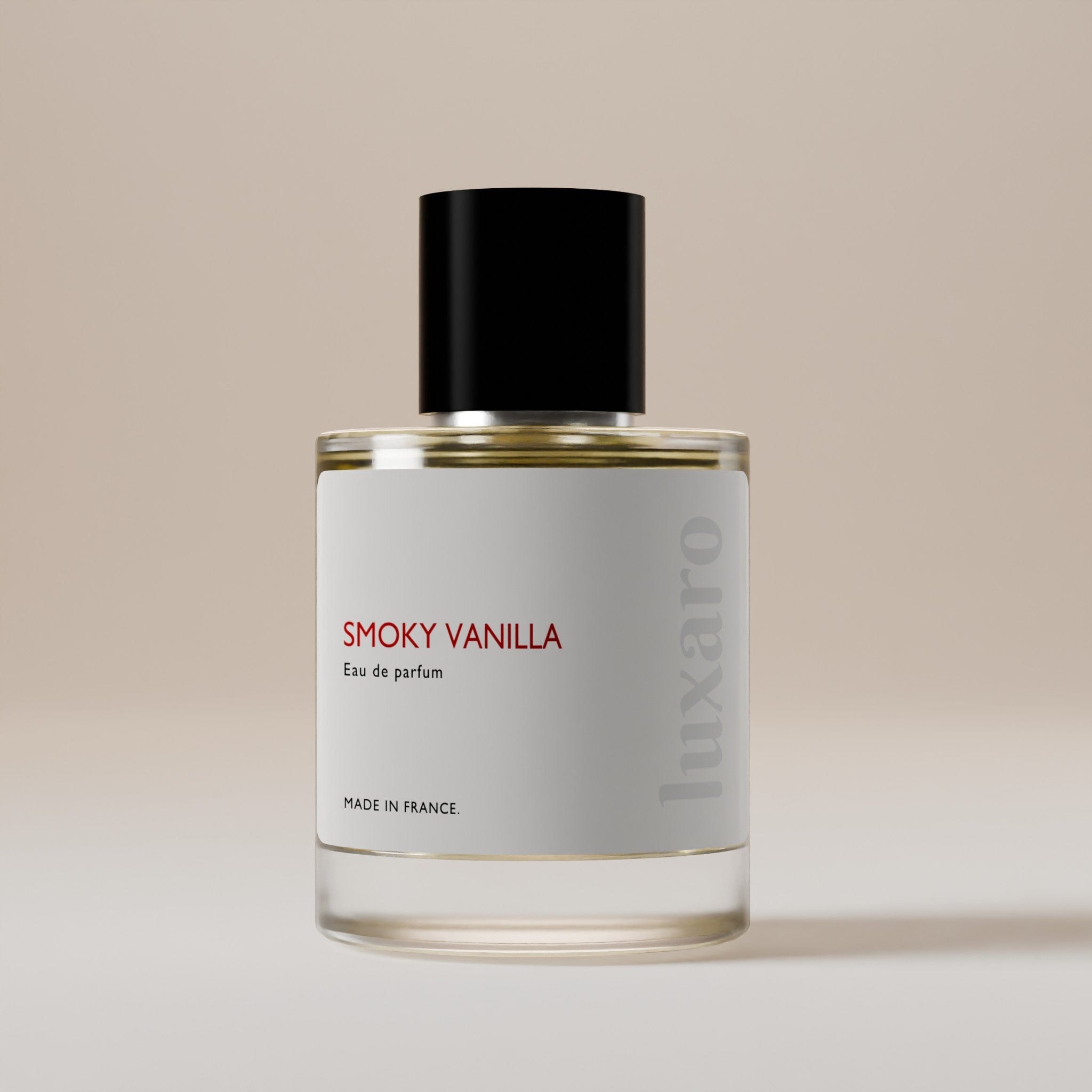
Fragrances built around smoky notes blended with woods and soft amber warmth show how tobacco can create depth without dominating the entire fragrance.
Why Tobacco And Vanilla Work So Well Together
Tobacco and vanilla balance each other naturally.
Tobacco provides richness and structure.
Vanilla softens the fragrance and introduces warmth.
Together they create a fragrance that feels comforting without becoming overly sweet or overly dry.
This balance explains why tobacco and vanilla continue appearing together across many fragrance families.
The same principle can be seen in fragrances where coffee, vanilla and gentle spice can create comfort without relying heavily on tobacco notes.
How Spice Changes The Character Of Tobacco Vanille
Spices help give Tobacco Vanille much of its personality.
Ingredients such as cinnamon, clove, nutmeg and cardamom can create warmth while adding movement throughout the fragrance.
Without spice, a tobacco and vanilla fragrance may feel flatter or more predictable.
Spices help connect the opening, middle and base of a fragrance, creating a scent that continues evolving throughout the day.
Why Tobacco Vanille Became Linked To Winter
The connection between Tobacco Vanille and winter developed naturally over time.
Many people found that the fragrance felt especially enjoyable during colder weather. Notes that can feel rich during summer often become softer and more balanced when temperatures fall.
As a result, the fragrance became associated with winter evenings, festive gatherings and cooler months.
This seasonal connection comes from how the fragrance behaves rather than from any official rule about when it should be worn.
Can Warm Fragrances Feel Too Strong?
Sometimes they can.
A fragrance that feels perfectly balanced during winter may feel much stronger during a heatwave.
Higher temperatures can increase evaporation, making rich ingredients project more intensely.
For this reason, some people simply reduce the number of sprays they use during warmer weather rather than switching fragrances completely.
Why Warm Fragrance Families Remain So Popular
Warm fragrance families have remained popular for decades because they combine familiarity with depth.
Vanilla feels comforting.
Tobacco adds richness.
Woods provide structure.
Spices create interest.
Together they create fragrances that feel layered and memorable without becoming difficult to wear.
Many fragrances featuring warm tobacco fragrances balanced by creamy vanilla and woods continue attracting attention because this combination remains timeless.
A Modern Example Of Warm Fragrance Design
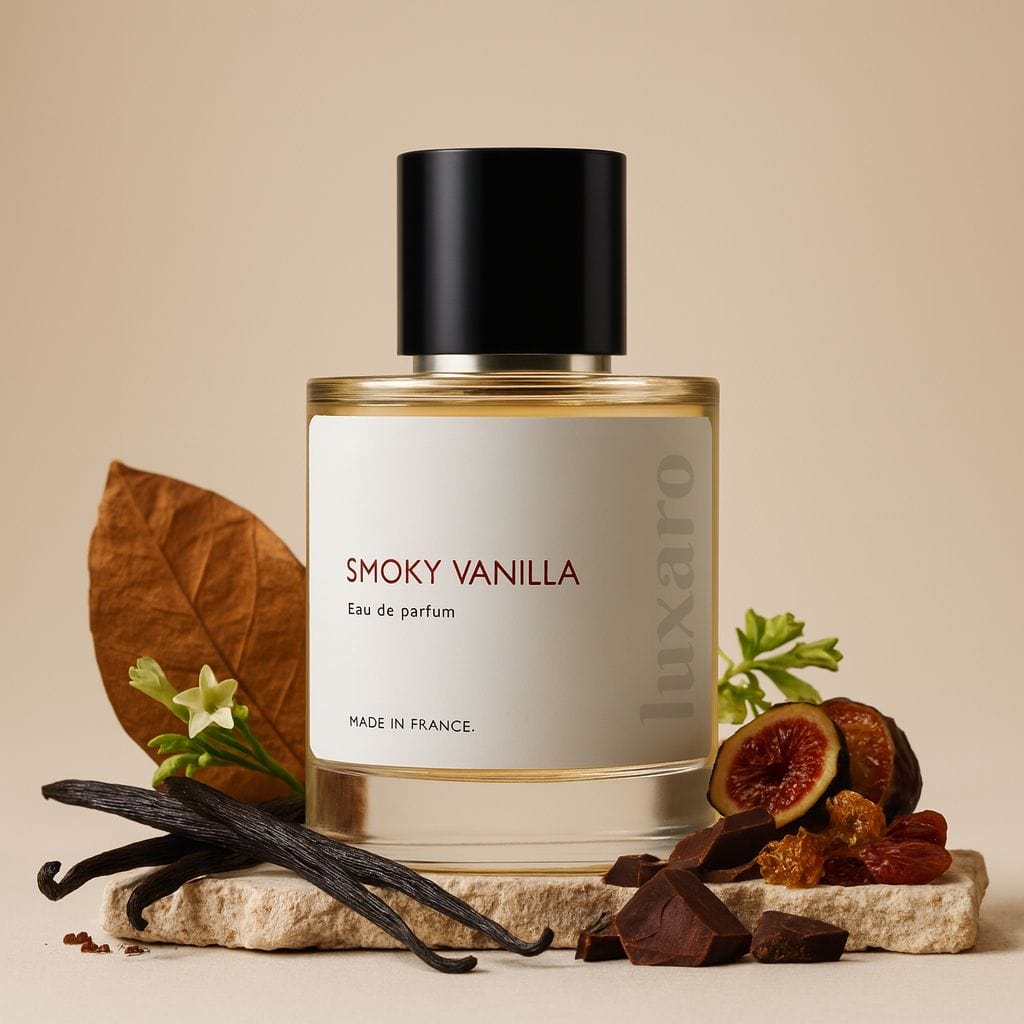
Modern perfumers often combine tobacco, vanilla, cacao, dried fruits and woods to create fragrances that feel smooth and layered.
Rather than relying on one dominant note, the goal is usually to create balance between sweetness, warmth and depth.
Learning how inspired perfumes are built around familiar scent families helps explain why certain note combinations continue appearing across modern fragrance collections.
Conclusion
Tobacco Vanille became associated with winter because its tobacco, vanilla and spice combination often feels especially comfortable in colder weather.
Cooler temperatures allow deeper notes to develop more gradually, helping create the smooth and balanced experience that many people enjoy.
While fragrance preferences are personal and there are no strict seasonal rules, understanding how weather affects fragrance development makes it easier to see why some scents naturally become linked to particular times of year.
FAQs
Is Tobacco Vanille only suitable for winter?
No. Many people wear it throughout the year, although it is most commonly associated with colder weather.
Why does Tobacco Vanille feel warmer than fresh fragrances?
Its tobacco, vanilla and spice notes create a richer scent profile than fragrances built around citrus or aquatic notes.
Does cold weather change how perfume smells?
Yes. Cooler temperatures can slow fragrance development and make deeper notes feel smoother.
Does tobacco in perfume smell like cigarette smoke?
Usually not. Tobacco notes are often sweet, woody, spicy or slightly honey-like.
Why is vanilla so common in winter fragrances?
Vanilla adds warmth and softness, helping richer ingredients feel more balanced.
Can warm fragrances become overwhelming in summer?
They can. Higher temperatures may make rich notes project more strongly.
Why are tobacco and vanilla often used together?
They balance one another naturally, creating fragrances that feel warm, smooth and layered.